Pleasure doesn't have to feel risky anymore
Let's start here: reclaiming sexual pleasure after trauma is not about forcing anything. It's about rebuilding trust in your own body. That trust doesn't come from willpower or a good therapist alone. Sometimes it comes from having a tool that gives you complete control, moves at the pace you choose, and never surprises you.
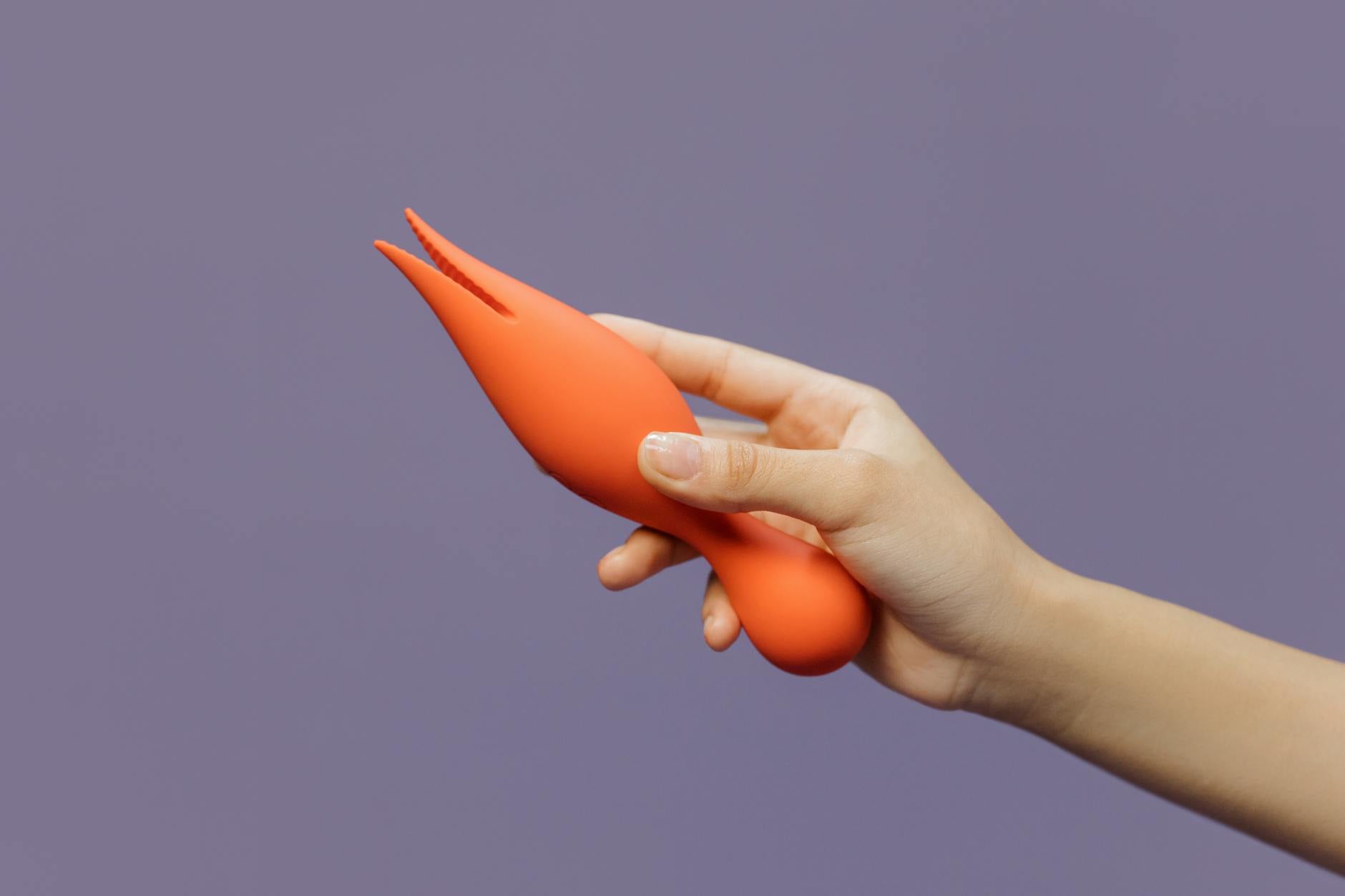
Lemon clitoral vibrators become that tool for many people in recovery. Not because vibration magically heals trauma, but because of how they're designed. The suction mechanism is quiet. The intensity is gradual. You hold it. You control it. Nothing happens without your decision.
Why standard vibrators can feel triggering
Trauma changes how your nervous system reads sensation. What feels like pleasure to someone else can read as danger to you. A vibrator that's too intense, too loud, or that requires you to hand control to a partner can all resurrect the feeling of powerlessness that trauma left behind.
Here's what makes lemon sexual toys different. The suction design creates a sensation that builds gradually. There's no sharp buzz. No sudden intensity shift. The hum is soft enough that only you hear it. And crucially, you're in control of the pattern, the intensity, the timing, the stopping. Every single variable.
For someone rebuilding trust in their own body, that autonomy is not a luxury. It's the foundation.
The physiology of safety during arousal
When you've experienced trauma, your body lives in a state of heightened alertness. The amygdala, the part of your brain that processes fear, is working overtime. During sex or self-pleasure, this can mean your nervous system keeps pulling you back toward defensiveness.
A lemon clitoral vibrator addresses this neurologically. Because you control every increment, your brain doesn't have to anticipate a surprise. The rhythm stays exactly as you set it. The intensity doesn't jump. Your nervous system can begin to learn: this is safe. I am in control. My body is responding to my own choice.
Over time, repeated experiences of safety during pleasure rewire how your nervous system responds. It's not instant, but it's measurable.
Starting so slowly you might think nothing is happening
One of the most common things I hear from clients recovering from trauma is that they expected pleasure to feel like it used to. Then they get frustrated because it doesn't. Healing pleasure doesn't. It's slower, quieter, smaller at first.
With a lemon clitoral vibrator, you can start at pattern one or two. You might stay there for weeks. That's exactly right. Your body is learning that sensation can be safe. That you can feel arousal without it spiraling into panic. These incremental wins compound.
Many people in recovery find that lemon vibrators let them explore sensation without the pressure of penetration or partnered sex. You can stop whenever you want. You can pause. You can come back to it tomorrow. There's no timeline except the one you set.
How suction works differently than traditional vibration
The lemon clitoral vibrator uses gentle suction rather than aggressive vibration. That distinction matters for trauma recovery. Suction feels less like stimulation that's happening to you and more like stimulation you're inviting in. The sensation builds through waves rather than assault.
Many clients report that suction also helps them reconnect with sensation without the intensity that can trigger a freeze response. A freeze response is when your nervous system shuts down arousal entirely as a protective mechanism. Quieter, gentler tools often prevent that shutdown from happening.
The importance of privacy and secrecy
Trauma often involves violation of privacy and consent. Using a tool that's quiet, discreet, and entirely yours creates a private reclamation ritual.
Your partner doesn't need to know. Your roommate doesn't hear it. No one else is involved in this process unless you invite them. That privacy is not shame. It's sovereignty. You're rebuilding your sense of ownership over your own body and your own pleasure.
For some people, this solo exploration becomes the bridge that eventually allows partnered pleasure to feel safe again. For others, it's the destination. Both are healing.
Pacing recovery without the pressure
Trauma recovery in general, and sexual recovery specifically, doesn't follow a linear path. You might have three good weeks then feel triggered and need to step back. You might discover that certain positions feel unsafe. You might need to stop altogether for a month.
This is not failure. This is your nervous system doing exactly what it's supposed to do. And here's where lemon sexual toys help: they make that variability easy to navigate. No complicated settings. No need to explain yourself to a partner mid-moment. You can use it or not. You can keep exploring the same patterns or try something new. You decide.
When to bring a partner in, and how
Some people recovering from trauma want to eventually include a partner in pleasure again. When that time comes, lemon vibrators can actually help that conversation. You've spent time learning your own arousal. You know what patterns feel good, what intensity works, what rhythm brings you closer to pleasure without triggering you.
You can introduce your partner to that knowledge in a structured way. "Here's what I've learned feels safe." "Here's what I want to explore together." "Here's what still feels scary." A lemon clitoral vibrator can be part of that exploration because it keeps you in the center of the experience.
For clients working with a trauma-informed sex therapist, bringing in a vibrator can actually accelerate the healing process. It gives you concrete information about your own body to bring into the therapeutic conversation.
Signs you're ready for this work
You don't need to be "healed" to begin. Healing isn't a destination. But there are signs that you're in a place where self-pleasure might feel supportive rather than overwhelming.
You can sit with your own thoughts for 15 minutes without spiraling. You're not currently in crisis. You have some support, whether that's therapy, a trusted friend, or a community. You can articulate boundaries, even small ones. You're curious rather than desperate.
If any of those feels totally foreign, that's not a reason to push yourself. Healing happens at different speeds for different people. But if you're somewhere in that spectrum, a lemon sexual toy might be a tool worth trying.
The role of self-compassion in reclamation
Here's the thing nobody tells you about trauma recovery and pleasure: you have to be relentlessly kind to yourself. Your body is not broken. Your nervous system is not broken. They're protecting you the best way they know how.
Using lemon clitoral vibrators as part of your healing practice isn't about achieving a particular outcome or reaching some marker of "normal" sexuality. It's about practicing the act of giving yourself pleasure, choosing safety, and listening to what your body actually wants instead of what you think it should want.
That practice alone is the healing. The vibrator is just the tool.
FAQ
Can I use a lemon vibrator if I'm still in active therapy for sexual trauma?
Yes, and many trauma-informed therapists support it. Let your therapist know what you're considering. Some will want to discuss it together, others will affirm it as part of your recovery process. The key is that you're in control, you're moving at your own pace, and you're not using it to avoid processing difficult feelings.
What if I try it and feel triggered?
Stop immediately. There's no timeline, no obligation to keep going. Your body is telling you something. Listen. Triggering doesn't mean you're doing it wrong. It means your nervous system needs more time, or a different approach. Talk to your therapist about what happened and try again when you feel ready, or try a different pattern altogether.
Do I need to tell my partner I'm using a lemon vibrator?
Not unless you want to. This is your body and your healing. Privacy around this choice is not deception. It's self-care. That said, if you're in a relationship built on trust and you eventually want to bring the vibrator into partnered play, that conversation might naturally happen.
How long before I notice a difference?
Weeks, usually. You might notice first that it feels less scary than you expected. Then that you can stay present a little longer. Then that you experience actual arousal. The changes are subtle at first. That's intentional and correct.
What if pleasure still feels distant even with a lemon vibrator?
That's very normal. Some people find that their arousal returns gradually over months. Some find that working with a trauma-informed sex therapist alongside using a vibrator accelerates the process. Some find that pleasure looks completely different post-trauma and that's okay. A lemon vibrator is a tool, not a solution. It's part of a larger healing picture.
Can using a vibrator interrupt my therapy work?
No. In fact, it often complements it. You're gathering real information about your body's responses. You're practicing boundary-setting and self-care. You're rebuilding safety. All of that feeds into therapy. Just keep communicating with your therapist about what you're experiencing.
Healing is not linear, and pleasure can be part of it
Recovering from sexual trauma means rebuilding your relationship with your own body. That's slow work. It's tender work. It's work that requires you to be patient with yourself on days when your nervous system isn't cooperating.
Lemon clitoral vibrators don't erase what happened. They can't rewrite your history. But they can be a trusted tool in that rebuilding process. A tool that keeps you in control. A tool that lets you practice pleasure at your own pace. A tool that says, "Your body is yours. Your pleasure matters. You get to decide."
If you're walking this path and you're ready to explore what reclaimed pleasure might feel like, consider reaching out to a trauma-informed therapist or sex educator alongside trying a lemon vibrator. You don't have to do this alone. And you deserve support that meets you exactly where you are.
Have questions about how to navigate your healing journey? Reach out to our community. We're here to listen without judgment.