The gap nobody talks about
You've finished pelvic floor physical therapy. Your therapist gave you a thumbs up. Your pain has improved. And now you're sitting alone wondering: okay, but can I actually enjoy this part of my body again?
That gap between "medically cleared" and "emotionally ready to feel pleasure" is real. It's also completely fixable. The work you did in PT rewired your nervous system to release tension. Now you need to teach it that sensation and relaxation can happen at the same time.
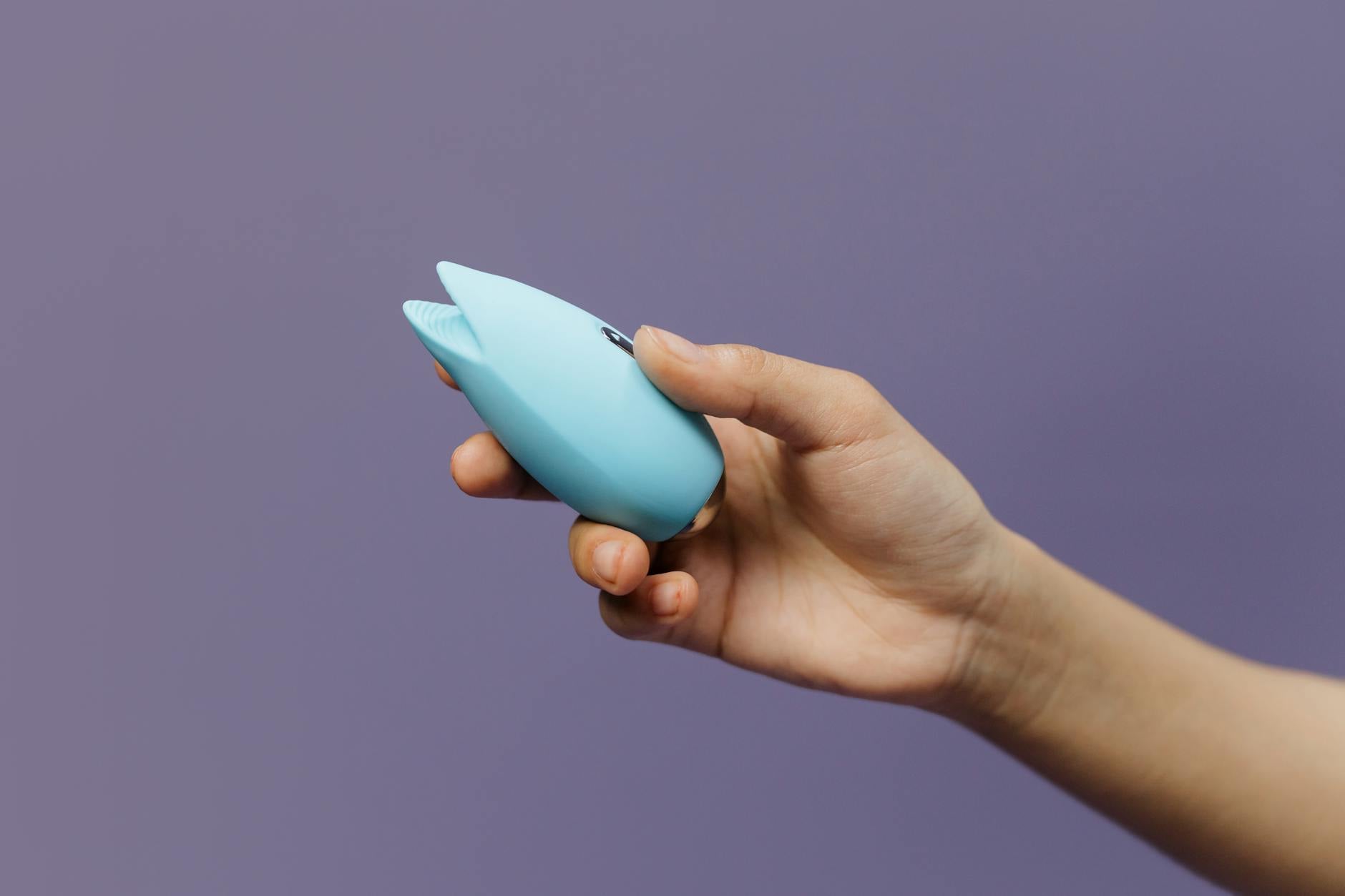
That's where lemon clitoral vibrators come in. Not as a hack or a shortcut, but as a bridge between fear and reconnection.
What pelvic floor PT actually changed
If you did pelvic floor physical therapy, your therapist was working on one core problem: your pelvic floor muscles learned to grip, clench, or hold tension as a protective reflex. This could have started with pain, anxiety, trauma, or years of habit. The PT helped you identify when you were tensing unconsciously and taught your body to release on command.
That's powerful. But here's the thing. Relaxation exercises are one-directional. You're learning to soften, drop, and let go. Pleasure requires something more complex: relaxation plus activation plus sensation plus trust all happening at once.
Your nervous system needs practice believing that touch can feel good without triggering the old defensive response.
Why lemon vibrators work specifically for post-PT bodies
Lemon sexual toys like the clitoral vibrators from Shop Lemon Sexual Toy use gentle suction and pulsation instead of direct vibration. This matters enormously after pelvic floor therapy for two reasons.
First, suction-based stimulation doesn't require you to actively tense or grip anything. With a traditional vibrator, there's an unconscious urge to clench down, to "hold" the sensation. That's exactly the response your PT was trying to undo. Lemon vibrators stimulate the clitoral complex without asking your pelvic floor to participate.
Second, the sensation is diffuse and rhythmic rather than aggressive. Your nervous system associates aggressive input with threat and bracing. Gentler, predictable patterns feel safer to a body that has learned to protect itself.
The step-by-step approach for safe reconnection
Start slow. This isn't about speed.
Week one: just exploration without stimulation. Lie down, get comfortable, spend time noticing what your body feels like in neutral. Touch your outer labia, your thighs, the areas around your vulva. The goal is to rebuild the map of sensation without any expectation of arousal. Do this for five to ten minutes. No vibrators yet.
Week two: introduce the lemon vibrator on the lowest setting. Start on your inner thighs and outer labia. Don't go directly to the clitoris. You're teaching your nervous system that vibration equals neutral sensation, not threat or obligation. Spend time here. Notice what feels good, what feels neutral, what feels uncomfortable. If you feel the urge to clench, pause. Breathe. Drop your shoulders. This is practice in real-time.
Week three: move to the clitoral area, still on a low setting. Keep your pelvic floor relaxed. If you notice tension building, back off. There's no finish line. The point is to practice sustained pleasure without defensive clenching.
Week four and beyond: you're building a new association. Your body is learning that stimulation plus relaxation equals good. This rewiring takes time, but it's happening.
Breath and pelvic floor awareness during pleasure
Your PT therapist probably taught you about breath. Holding your breath causes tension. Steady breathing releases it. Keep doing that.
When you're using a lemon vibrator, breathe into your belly. Not shallow chest breathing. Deep diaphragmatic breathing. This naturally keeps your pelvic floor loose. When you feel arousal building, the instinct is to hold your breath and grip down. Don't. Breathe through it. Sounds simple. It's not. But it's the single most effective thing you can do to prevent a return to the old protective pattern.
If you start to clench, pause the vibrator. Breathe for thirty seconds. Then restart. You're not failing. You're training.
The emotional piece is just as important
Here's what I see over and over in my practice: people who've had pelvic floor pain or dysfunction often develop what I call "performance dread." Your body hurt. Now it doesn't. But there's a lingering fear that pleasure will bring the pain back. So you never fully let go.
That fear is valid. And it's also usually wrong.
Using a lemon clitoral vibrator deliberately, with full permission and without pressure, rewires that association. You're literally creating new neural pathways. Touch that doesn't hurt. Sensation that feels safe. Pleasure that doesn't come with a price. This takes repetition. It takes patience. It also works.
If you have a partner, let them know what you're doing. Not because they need to be involved. Because secrecy often feeds shame. Shame feeds tension. Tension feeds the very patterns PT worked to undo.
When sensation is still muted after PT
Sometimes after intensive pelvic floor therapy, the area feels less sensitive, not more. This is common. Your nervous system has been through a lot. Sensation often comes back in layers.
If this is happening, start with even lower intensity. Use the lemon vibrator on setting one. Spend more time in the exploration phase. You might also find that <a href="/blog/how-lemon-vibrators-help-restore-sensation-after-hormonal-changes">sensation returns better when you add warmth, change position, or adjust the time of day</a>. Your body is learning. Give it runway.
Some people also notice that sensation deepens once they trust that it won't hurt. The first time you truly relax during stimulation, everything changes.
Checking in with your PT
Before you start using a lemon vibrator after pelvic floor therapy, mention it to your therapist. You don't need permission. You do need to know if there's anything specific about your pelvic floor that would make certain types of stimulation inadvisable. Most PTs will tell you that gentle clitoral stimulation is not only fine, it's often helpful. But your individual situation matters.
If your PT says avoid any stimulation for a bit longer, listen. The work you did in PT is still integrating. Once you're cleared, though, reconnecting with pleasure becomes part of the recovery.
The long view
Pelvic floor physical therapy changes your relationship with your body. For the better. But it also means you have to consciously rebuild pleasure instead of assuming it will just happen the way it used to. Using a lemon clitoral vibrator is one way to do that with intention, safety, and patience.
Your nervous system is capable of learning. It learned to brace. It can learn to relax. It can also learn to relax while feeling good. That's not just healing. That's thriving.
FAQ: Lemon vibrators after pelvic floor therapy
How long after finishing pelvic floor PT can I use a lemon vibrator?
This depends on your individual situation. If you had pain-related pelvic floor dysfunction, most people can begin gently exploring sensation within a week or two of finishing PT. If you're still in pain or have fresh tissue work done, ask your therapist directly. The general rule is: if it doesn't hurt, you can explore. If it hurts, you stop. Honor that feedback.
Will using a lemon vibrator undo my pelvic floor PT progress?
No. If anything, gentle clitoral stimulation reinforces what PT taught you because it requires you to stay relaxed while experiencing input. The key is using low intensity, breathing steadily, and pausing if you feel tension building. You're not undoing the work. You're expanding it.
What if I feel tension or clenching when I use a lemon vibrator after pelvic floor therapy?
This is normal and fixable. Pause the vibrator. Breathe for thirty seconds. Notice where the tension lives. Your PT taught you how to release it. Do that. Then restart at an even lower setting. You're retraining a reflex. It takes repetitions. There's no rush.
Can I use a lemon vibrator with my partner after pelvic floor therapy?
Absolutely. Many people find partnered exploration easier because there's less performance pressure. Your partner can help you stay grounded and can pause whenever you signal. <a href="/blog/how-to-use-lemon-vibrators-when-you-feel-self-conscious-with-a-partner">Communication and trust make this work really well.</a> Let them know what you're reconnecting with your body and what kind of support helps.
How do I know if my pelvic floor is relaxed enough to start using a lemon vibrator?
You should be able to intentionally contract your pelvic floor and then fully release it without effort. If you can do that on command, your nervous system is ready to practice with stimulation. If releasing still feels impossible or incomplete, give yourself more time. Your PT therapist can assess this directly.
Is it normal for sensation to feel weird or different after pelvic floor PT?
Completely normal. Your nervous system was in a defensive state. Now it's learning a new normal. Sensation often feels different, sometimes muted, sometimes hypersensitive. Using a lemon vibrator gently and repeatedly helps normalize sensation and deepen your nervous system's trust. Give it time.
Moving forward
Pelvic floor physical therapy is an achievement. You did hard work. Now you get to do the equally important work of rebuilding pleasure. That's not frivolous. That's completion. Shop Lemon Sexual Toy's clitoral vibrators are designed for exactly this kind of gentle, intentional reconnection. Start low, breathe steady, and trust that your body knows how to feel good. It does. It just needs practice believing it again.