Let's be real about what atrophy actually changes
Vaginal atrophy is not sexy terminology, but the experience is not what most people think. The tissue thins. Lubrication decreases. Blood flow becomes slower to arrive. But pleasure doesn't disappear. It reorients.
Most of what I hear from clients is frustration with friction, not with the capacity for orgasm. That distinction matters because it changes everything about how you approach pleasure during and after atrophy. You're not broken. You're not less responsive. You're working with tissue that needs a different kind of stimulation.
Here's the part doctors often skip: air-suction technology like the lemon vibrators at Hello Nancy bypasses the friction problem entirely. It's not a workaround. It's actually a better fit for atrophied tissue than the tools you used before.
Why friction feels wrong after atrophy
When estrogen drops, the vaginal tissue becomes thinner and more fragile. The vaginal walls lose elasticity. The natural lubrication decreases not just in quantity but in quality. The mucous membranes that used to feel plump and protective feel paper-thin.
Now add direct vibration or rubbing. That friction that felt amazing at twenty-five suddenly triggers irritation at fifty-five. You're not imagining it. The tissue genuinely has less cushioning. Vibrators that worked for decades suddenly feel too intense, too raw, too direct.
This is where most people get stuck. They assume the problem is atrophy itself. Actually, it's the mismatch between their body and the type of stimulation they're using. A lemon clitoral vibrator works because suction doesn't depend on friction. It creates a gentle seal and pulsing rhythm. The stimulation happens through pressure and release, not grinding.
How suction-based lemon vibrators work with atrophied tissue
The clitoris doesn't actually thin with atrophy the way vaginal tissue does. The clitoral glans and hood are more protected. What changes is how quickly blood flows to the area and how easily you can feel subtle sensations through surrounding tissue that's now more delicate.
Suction technology solves both problems at once. First, it draws blood to the area passively, so you don't need as much arousal time to feel sensation building. Second, it creates stimulation through gentle pressure rather than direct friction against sensitive tissue.
For people with atrophy, this means three practical shifts.
One: Start lower, stay longer. A lemon vibrator's softest setting is gentler than the gentlest vibration. You can spend longer building sensation without irritation. Most clients report needing only ten to fifteen minutes instead of the twenty to thirty they expected.
Two: No lubrication friction problem. With suction, you're not creating friction inside a lubed canal. You're stimulating the external clitoris. Lubricant helps comfort but doesn't determine whether the sensation works. Many clients use a small amount of water-based lube as a comfort layer, not as a functional necessity.
Three: Recovery is faster. Because there's no direct friction against thinned tissue, there's less inflammation after. Clients report zero irritation the next day, which was never true with their previous toys.
The medical piece: GSM and what actually helps
Genitourinary syndrome of menopause (GSM) is the clinical term. It includes atrophy but also urinary symptoms and sexual discomfort. It's real, common, and almost entirely treatable.
Topical estrogen creams (like estradiol or conjugated estrogens) are the gold standard. A small amount applied two to three times weekly rebuilds tissue thickness over six to eight weeks. The systemic absorption is minimal. Your doctor can prescribe them.
Vaginal moisturizers (used daily, not just during sex) help some people. Hyaluronic acid-based options are better than glycerin-based for most tissues.
Most importantly: pain during sex is not something to manage around. If lemon vibrators or any toy cause pain or visible irritation, that's a signal to see a gynecologist before continuing. GSM responds so well to treatment that suffering through it is genuinely unnecessary.
Why pleasure actually improves for many people
Here's what surprised my clients the most: after they adjusted to suction-based stimulation, many reported more intense pleasure than they'd felt in years.
Part of it is mental. The mental load of worrying about friction, irritation, and whether sex will hurt tomorrow lifts completely. That alone changes the experience.
Part of it is physical. The clitoris has thousands of nerve endings concentrated in a tiny area. When tissue around it stops feeling raw or irritated, those nerves can actually signal more clearly. The pulsing rhythm of a lemon clitoral vibrator creates waves of sensation that feel different from vibration. Many people describe it as deeper, more full-body.
And part of it is practical. Suction-based lemon vibrators are quieter, more compact, and easier to control than traditional vibrators. You can experiment with different patterns and intensities without fear of over-stimulation.
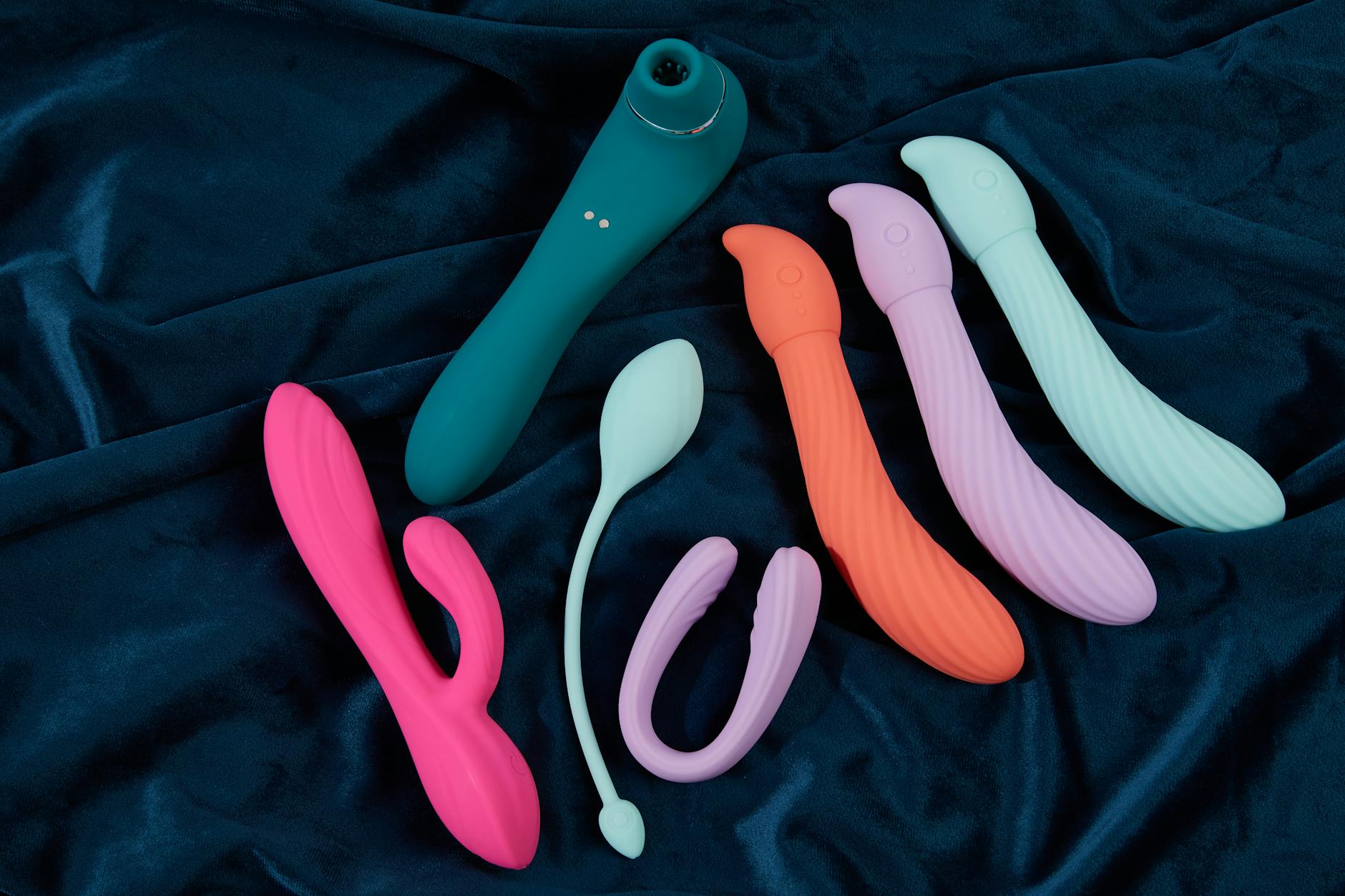
Photo by IFONNX Toys on Pexels
Partner communication during this shift
If you're in a partnered situation, atrophy often becomes the invisible third person in the bedroom. Sex gets awkward. You worry about comfort. Your partner worries about hurting you. Everyone tenses up.
The shift to solo exploration with a lemon vibrator often resets this dynamic. You get to understand your body's new preferences without performance pressure. Then you can actually talk to your partner about what works now, instead of assuming things should feel the same as before.
Many couples find that reintroducing penetrative sex after that solo exploration works better because both people understand the actual requirements. It's not about weakness or age. It's about tissue health, and that's fixable.
When to check in with a doctor
Pain during or after use. Persistent irritation. Bleeding. Unusual discharge. Any of these warrant a gynecology visit before continuing with toys. GSM is treatable, and most treatments take weeks, not months.
Also check in if you suspect your atrophy is related to something other than menopause: chemotherapy, radiation, long-term hormonal contraceptives, or autoimmune conditions can all cause similar symptoms but need different treatment approaches.
There's also no shame in wanting professional guidance on positioning, techniques, or whether certain tools are right for your specific tissue health. A gynecologist who's comfortable talking about pleasure (not just function) can be genuinely helpful.
The long view on pleasure and atrophy
Atrophy changes the mechanics of pleasure, not the capacity for it. The clitoris doesn't shrink. Your nerve endings don't disappear. Your brain's ability to experience orgasm stays intact.
What changes is the path. For years, that path ran through friction-based stimulation. Now it runs through something gentler, often more sustained, and for many people more satisfying.
Lemon vibrators and similar suction-based tools aren't a compromise. They're often an upgrade. You get to explore pleasure without the friction problem, without the worry, and without the irritation that made sex feel punishing instead of good.
That's not settling. That's working smarter with the body you have right now.
People also ask
Can you use a regular vibrator with vaginal atrophy?
Yes, but many people find direct vibration uncomfortable against thinned tissue. If you want to stick with a traditional vibrator, use a generous amount of water-based lubricant, start at the lowest setting, and monitor for irritation. That said, suction-based lemon clitoral vibrators often feel gentler and require less lubricant to feel good. The best choice depends on your tissue sensitivity and what feels comfortable.
How long does it take for atrophy to improve with treatment?
Topical estrogen creams usually show improvement within two to three weeks and full results within six to eight weeks. Vaginal moisturizers help comfort but take longer to rebuild tissue structure. Your body continues responding to treatment for months. Every person is different, so check with your doctor about what to expect with your specific situation.
Does atrophy make orgasms impossible?
No. The clitoris is remarkably resilient. Orgasm is possible throughout atrophy and after treatment. What often changes is the path to orgasm. It might take longer to build arousal. The sensation might feel different. But the neurological capacity for orgasm stays intact. Many people find that after adjusting their approach, orgasms feel as good as or better than before.
Is lubricant enough to manage atrophy during sex?
Lubricant helps comfort but doesn't address the root issue: tissue thinning and reduced blood flow. It's a useful tool but not a treatment. If atrophy is significantly affecting your sex life, talk to your doctor about estrogen cream or other medical options. Lubricant is best used alongside treatment, not instead of it.
Can atrophy come back after treatment stops?
Yes, it can. Atrophy is driven by low estrogen, which stays low after menopause. Many doctors recommend ongoing maintenance treatment (like using estrogen cream twice weekly indefinitely) rather than stopping. Your doctor can help you find a maintenance schedule that keeps symptoms manageable long-term.
Do lemon vibrators work differently than other clitoral toys for atrophy?
Lemon vibrators use suction rather than direct vibration, which means less friction against sensitive tissue. This makes them gentler and often more comfortable for people dealing with atrophy. They also tend to be quieter and allow for more nuanced sensation play. That said, every body is different. What matters is finding what feels good without causing irritation or pain.