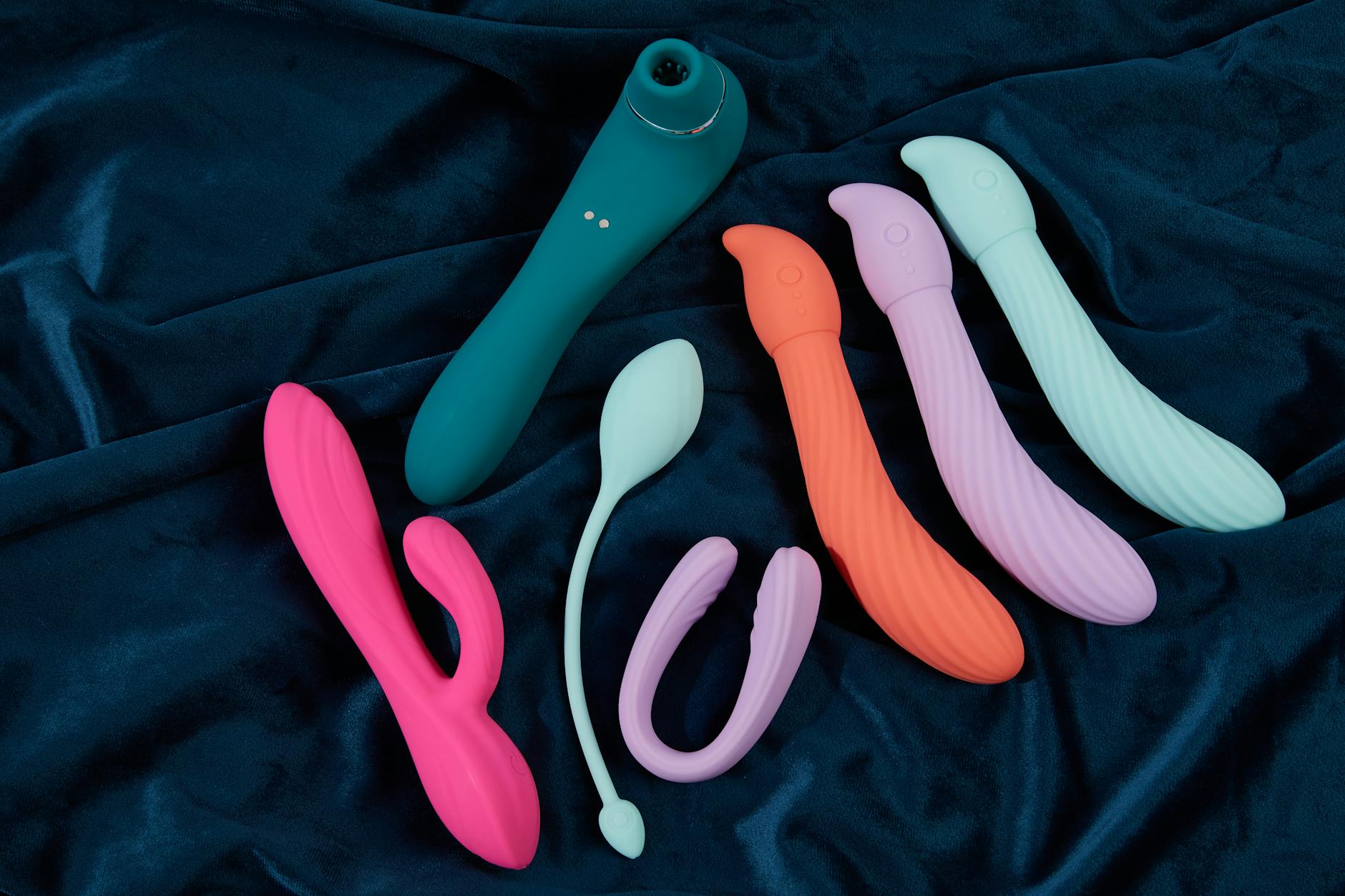
The gap nobody talks about
Let's be real. At some point in a long-term relationship, physical touch just stops. Not because anyone's angry. Not because you don't love each other. It's more like you both forgot the language, and now starting again feels impossible. The longer the gap, the heavier it feels.
I've sat with hundreds of couples stuck in exactly this place. They say things like "I don't know how to touch them anymore" or "It feels weird now." What they mean is: the spontaneity died, and neither person wants to be the first to break the silence.
Here's the thing though. Lemon vibrators, used together, can be a legitimate bridge back. Not because they're magic. But because they dissolve the pressure around "doing it right" and put the focus back where it belongs: on sensation, not performance.
Why disconnection happens (and why it's not your fault)
Relationships don't lose physical intimacy because passion dies. They lose it because life gets loud. Kids, work stress, health changes, financial pressure. The nervous system gets stuck in sympathetic overdrive (fight-or-flight), and when you're in that state, your body doesn't want touch. It wants space.
Then weeks turn into months. And months into years. And somewhere along the way, you stop reaching for each other at all. The hand-holding stops. The casual kiss stops. And suddenly, the idea of sex feels monumental. Like you'd need a PowerPoint presentation to explain what you want.
Here's what's true: touch is the fastest way to move your nervous system back toward parasympathetic (rest-and-digest) mode. But touch without pressure works better than touch with expectations attached.
Why lemon clitoral vibrators specifically help this dynamic
When a couple has been disconnected for a while, penetrative sex or traditional foreplay can feel too heavy. It requires choreography, vulnerability, and agreement. A lemon vibrator sidesteps all of that because it's focused on one thing: pleasure without performance.
The suction-based design of lemon vibrators means the person using it can enjoy intense sensation without needing their partner to "do" anything right. There's nothing to coordinate. No rhythm to match. No wondering if you're in the right position. You're just... present together. Touching. Watching. Reconnecting through a different doorway.
For the partner offering the vibrator, it changes the dynamic too. Instead of being evaluated on their technique, they're an active participant in someone else's pleasure. That's hot. And it's intimate in a way that bypasses the shame or awkwardness.
How to introduce it without it feeling weird
If you've been disconnected for a while, you need permission and a low-stakes entry point. Here's how I recommend doing it:
Pick a time that's not bedtime. Seriously. Bedtime has pressure attached to it automatically. Instead, pick a Saturday afternoon or a quiet evening. Tell your partner something like: "I found this thing I want to try with you. Not right now. But sometime soon. Just us, no expectations. What do you think?"
Then wait. Let them sit with it. Anxiety is normal. They might ask questions. Answer them straight. "It's a vibrator. It would help me feel good. And I want you here while it happens."
When you do try it, start with clothes on. Seriously. Remove one layer of intensity by keeping some boundaries intact. You're not trying to have sex. You're trying to be close and explore sensation together. Clothes make that easier.
Let your partner hold the lemon vibrator first, even if they're not the one using it. Hand it to them. Let them feel the weight, the vibration pattern. Ask them what they notice. This removes the mystery and makes it collaborative, not something being done to them.
The actual practice (step by step)
Once you're both comfortable:
Start with touch first. Hold hands. Kiss. Do whatever you've stopped doing. Spend 10 minutes just reconnecting without the vibrator. Your nervous system needs to register: this is safe, this is welcome.
Introduce the vibrator slowly. Start at the lowest setting. Have your partner hold it or guide it while you relax. The goal is sensation, not orgasm. If you come, great. If you don't, also great. This isn't measured by outcome.
Talk while it happens. Not about logistics. About what feels good. "Lower." "Slower." "Stay here." This is communication practice, and it's one of the things couples lose when they disconnect. Rebuilding it through pleasure is the path of least resistance.
Keep it short. Fifteen minutes is plenty. You're not trying to marathon your way back to intimacy. You're building a bridge. Each time you do this, the bridge gets stronger.
What happens after (the real benefit)
Here's what I see happen repeatedly. A couple uses a lemon vibrator together once. Then twice. By the third time, something shifts. They start touching each other again outside of these moments. Hand on the knee while watching TV. A longer hug. Eventually, they start having sex again, but it's different because they've remembered what it feels like to be present together without judgment.
The vibrator itself becomes less central. But it was the permission structure that mattered. It said: this is allowed, this is normal, this is us.
Some couples keep using lemon sexual toys regularly. Others move on to other forms of touch. Both are fine. The point was never the vibrator. The point was reconnection.
If one partner is reluctant
This happens. One person is ready. The other is scared. Here's what I tell people: a vibrator isn't a replacement for desire. If your partner doesn't want to reconnect, a vibrator won't fix that. But if they're scared (not unwilling), then this becomes a conversation about what the fear actually is.
Often it's: "I don't want to disappoint you." Or "My body feels different now." Or "I don't remember how." All of those are real. And none of them require you to jump straight to lemon vibrators. Start there. Start with understanding what the actual block is.
If your partner genuinely doesn't want physical intimacy, that's a deeper conversation. That's couples therapy territory, not vibrator territory.
When to reach out for help
If you and your partner can talk about trying this and it feels like a normal conversation, you're probably fine exploring it on your own. But if the disconnection is paired with anger, contempt, or total shutdown, a therapist should be in the room first. A vibrator can rebuild a bridge, but it can't rebuild trust if that's what's actually broken.
Reconnection takes vulnerability. Lemon vibrators lower the stakes on that vulnerability. But they don't eliminate the need for it. That part is still on you.
The reframe
Here's what I want you to know. Using lemon clitoral vibrators together isn't a sign your relationship is broken. It's a tool. And using tools together is actually how couples rebuild things. You're not admitting defeat by trying this. You're admitting that you want your partner, and you're willing to get creative about showing it.
Reconnection doesn't happen through grand gestures or three-hour sessions. It happens through small, repeated moments of choosing each other. A lemon vibrator is just one very practical way to have one of those moments.
Start small. Stay present. Keep talking. That's the bridge.
People also ask
Can you use a lemon vibrator if you haven't had sex in years?
Absolutely. Actually, this is the situation where lemon clitoral vibrators work best. You're not trying to replicate old patterns or meet expectations. You're starting fresh from a place of sensation and presence. The fact that it's been a while means you're both learning together, which actually removes pressure.
What if I orgasm and my partner doesn't feel included?
That's why communication during is crucial. Keep touching your partner while using the vibrator. Keep eye contact. Narrate what you're feeling. The orgasm is yours, but the experience is shared. If they feel left out after, talk about it. Maybe next time they hold the vibrator. Maybe they stimulate themselves too. There's no single right way to do this.
Is using a vibrator together considered cheating?
No. Using a lemon vibrator with your partner is an intimate act between the two of you. Cheating involves betrayal and deception. If you're both agreeing and present, you're not cheating. You're exploring together. There's a fundamental difference.
How do I bring this up without making my partner feel inadequate?
Frame it around what you want to feel, not what he or she isn't doing. Instead of "You don't turn me on anymore," try "I want to explore sensation together. I think this could help." Focus on addition, not replacement. You're not saying they're not enough. You're saying you want to try something new together.
Should we use a vibrator during sex or separately?
Start separately. Get comfortable with the vibrator as its own experience first. Once you're both relaxed, you can integrate it into partnered sex if you want. Some couples do. Some prefer to keep it separate. Both work. There's no progression you have to follow.
What if my partner wants to use it alone instead of with me?
That's a different conversation. If you specifically need reconnection and they're deflecting to solo use, that's worth addressing directly. But if they're just exploring on their own in addition to trying it together, that's fine. Solo and partnered exploration can coexist. The key is that you're doing it together too.
Start where you are
Disconnection in a long-term relationship feels permanent until it isn't. And the bridge back is rarely what you expect. It might be a lemon vibrator. It might be something else entirely. But it starts with deciding that you want to reconnect, and then being willing to try something new together.
If you want to go deeper into this work, or if the disconnection feels too heavy to navigate alone, reach out to a couples therapist. And if you're curious about exploring lemon vibrators or other approaches to rebuilding intimacy, Hello Nancy is here to help you figure out what works for your relationship.
Your pleasure matters. And so does your partnership. Those two things don't have to be in conflict.