Let's name what's really happening
Your relationship just shifted. Maybe you ended it. Maybe you redefined it. Maybe you're rebuilding it after distance or disconnection. And now your body feels like it belongs to a stranger.
You're not broken. You're in transition. The neural pathways that lit up around one person's touch, one dynamic, one set of expectations, have suddenly lost their map. Your brain needs time to rewire. So does your pleasure.
Here's what I see in my practice: when the relational container changes, desire often disappears first, sensation second. People tell me their body went numb the moment the relationship did. That's not a glitch. That's your nervous system protecting you while it figures out what safety looks like now.
Why relationship transitions numb pleasure
Your arousal system is tied directly to context and safety. Not consciously. Your nervous system watches the relational landscape and adjusts your sensitivity accordingly. This is clever biological design. It's also the reason you can't just decide to "get turned on again" after a major relationship shift.
Three things happen neurologically when partnership changes:
Your touch receptors wait for permission that hasn't come yet. The brain's sensory gating system filters input based on what feels relevant to survival. If your primary intimate relationship just changed, your nervous system dampens genital sensation temporarily. This is protective. It's also infuriating when you're trying to reconnect with pleasure.
Arousal takes longer to build. The pathways your body used to follow are disrupted. Before, a familiar touch triggered automatic response. Now there's no familiar. Your brain has to rebuild anticipation from scratch, which takes metabolic energy and psychological safety you may not have yet.
Orgasm, if it arrives, can feel disconnected. Some people report orgasms after a relationship transition feel like they're happening to someone else. This dissociation is your nervous system's way of compartmentalizing. It's temporary, but it's real.
Why lemon vibrators help when touch feels complicated
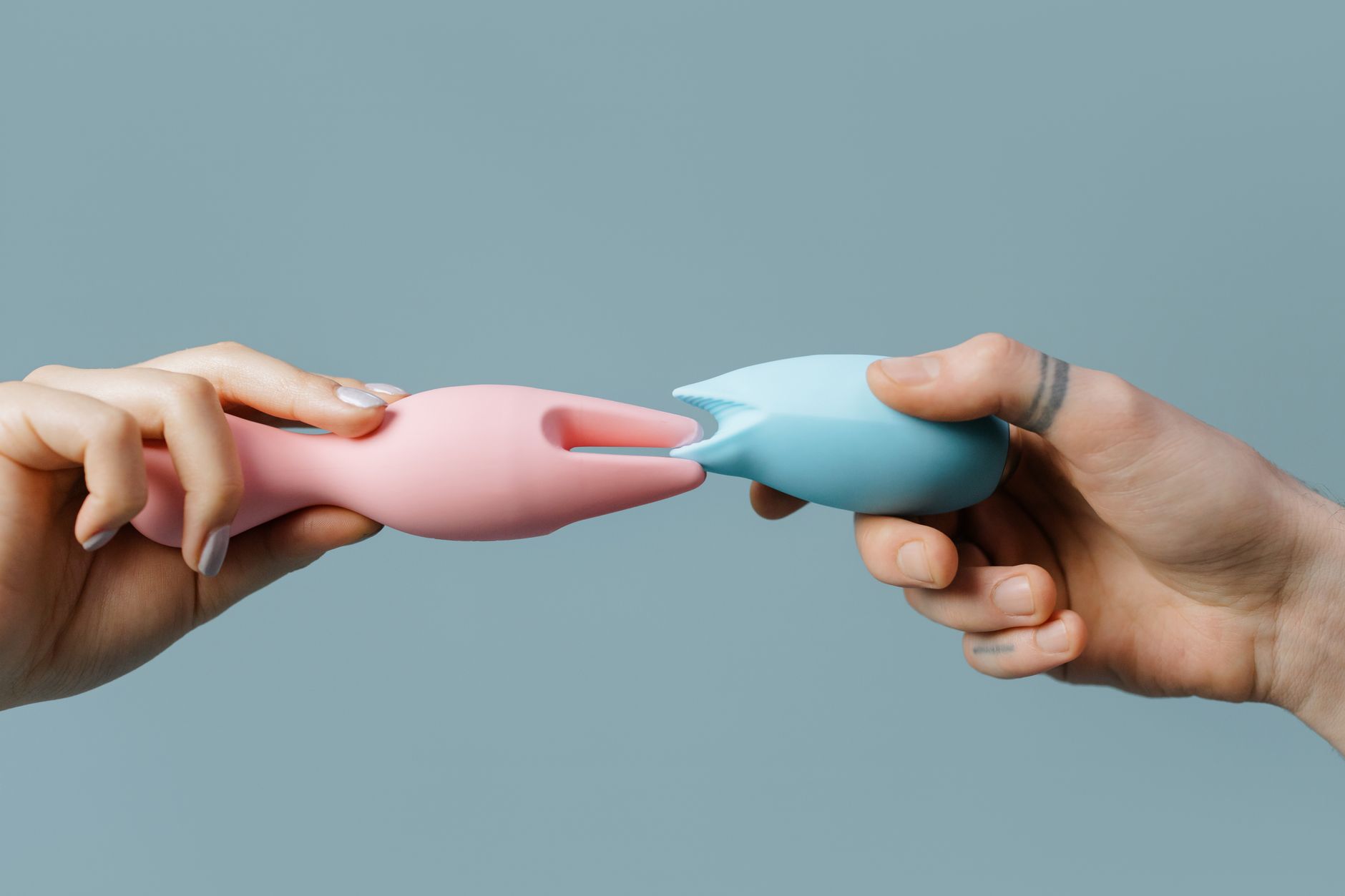
This is where lemon clitoral vibrators become genuinely useful. They work because they bypass the relational context your nervous system is still processing.
A lemon vibrator like the Lem operates through air-suction stimulation, not friction. This matters more than it sounds. When you're rebuilding pleasure after a relationship transition, friction-based touch can feel too close to familiar partnered sensation. It reminds you what you've lost before you're ready. Suction stimulation is different enough that it feels new. Your nervous system doesn't have old trauma encoded with it.
The suction also activates different nerve clusters than traditional vibration. You're not retracing the same sensory pathway you followed with a partner. You're creating a novel one. That novelty is healing.
Beyond the mechanism, lemon vibrators give you something crucial: control over pace, pressure, and when to stop. In a relationship transition, autonomy over your own pleasure is the foundation you need to rebuild. You decide intensity. You decide duration. No negotiation, no compromise, no performance. Just sensation.
The three-phase reset with lemon sexual toys
I recommend lemon vibrators to clients navigating relationship change through a specific progression. Not because pleasure is linear. It isn't. But because your nervous system responds better when there's structure.
Phase one: No expectation of orgasm. Week one and two, use your lemon clitoral vibrator with the explicit goal of sensation only. Set a timer for 10 minutes. Start at the lowest setting. Notice what you feel, where you feel it, whether your breath changes. The goal is data gathering, not climax. Most people skip this phase and regret it. Don't.
Phase two: Curiosity over outcome. Weeks three through five, extend to 15-20 minutes. Try different patterns on your vibrator. Move around. Let yourself get bored and restart. If an orgasm shows up, great. If not, still great. You're teaching your nervous system that pleasure is possible without an audience, without reciprocation, without a performance review afterward.
Phase three: Integration. Weeks six onward, use your lemon vibrator when pleasure calls, not on a schedule. This is when orgasms usually return. When they do, they often feel different. Quieter, sometimes. More internal. Less like a release and more like a recharge. That's normal. That's your nervous system deciding what pleasure means to you now.
What makes lemon vibrators better than other options during transition
You might be wondering why lemon vibrators specifically, rather than fingers or other toys. The answer comes down to sensation consistency and mental distance.
Your fingers carry memory. Every touch you've ever known is encoded in your hands. When you're rebuilding pleasure, sometimes that embodied history gets in the way. A lemon vibrator is external, consistent, and doesn't carry relational baggage.
Other vibrators can work too, but many are designed around partnered sensation. They're built to mimic human touch. During a relationship transition, that mirroring can backfire. You want something that feels intentionally different. Lemon clitoral vibrators are designed to stand alone. They're not trying to replace a partner. They're trying to reconnect you with yourself.

Photo by Frank Schrader on Pexels
Practical setup for rebuilding pleasure
When you're starting over with lemon vibrators after a relationship shift, environment matters. I recommend:
Find a space that doesn't hold relational history. If your bedroom still feels haunted by the relationship that just changed, move to another room temporarily. Your nervous system needs to learn that pleasure happens in neutral territory first. Once safety is rebuilt, you can reclaim the original space.
Build a ritual that signals transition. Light a candle. Change the sheets. Play a song you didn't share. These micro-rituals tell your nervous system something new is beginning. The brain loves clarity.
Give yourself permission to feel sad while touching yourself. Pleasure and grief aren't mutually exclusive. You can miss someone and also want to feel good. You can mourn a relationship structure and also reconnect with your body. Hold both. Let lemon sexual toys be part of the process, not a denial of it.
Start with external stimulation only. After a relationship transition, moving directly to penetration or internal play can collapse the nervous system's boundaries too quickly. Stay external for at least two weeks. Lemon clitoral vibrators are perfect for this because they're designed specifically for external pleasure.
The emotional work that makes the physical work
Here's the part I can't hand you in a vibrator: you need to grieve what's changed and feel okay about rebuilding alone. A lemon vibrator is a brilliant tool. It's not a shortcut.
If the relationship ended, there's loss there even if the ending was right. If the relationship redefined, there's adjustment even if the new shape is better. If you're rebuilding after distance, there's trust work that can't be outsourced. Feel it. Journal about it. Talk to someone.
Your body's numbness often isn't a physical problem. It's information. It's saying "I need to process what happened before I can move forward." Lemon vibrators help you listen to that message and then respond to it. They give you sensation back, but they can't do the emotional work. You have to.
Many clients find that pleasure returns faster once they've cried about the transition. Oxytocin needs emotional honesty. Orgasms need that groundedness too.
When to reach out for more support
If after six weeks of consistent use with lemon clitoral vibrators you're still feeling complete numbness in your genital area, check in with a healthcare provider. Relationship transitions can trigger depression, which sometimes shows up as sensory numbing.
If orgasm feels impossible and you're also experiencing low energy, appetite changes, or persistent sadness, that's depression talking, not your relationship status. Those things deserve professional attention. A lemon vibrator helps. Therapy or medical support might help more.
If you're using masturbation and lemon sexual toys compulsively to avoid processing the relationship change, that's worth noticing too. Pleasure can become a dissociation tool. The goal is reconnection with yourself, not escape from yourself.
FAQ
How long does it take to rebuild pleasure sensitivity after a major relationship change?
Three to eight weeks is typical for most people. Your nervous system needs time to recognize that you're safe again, that pleasure is possible, and that you can experience sensation without relational context. Some people report sensation returning within days. Others take three months. There's no standard timeline. Lemon vibrators help speed the process because they create new neural pathways separate from relational memory.
Can I use lemon vibrators while I'm still in a relationship that's going through a transition?
Absolutely. In fact, it's often helpful. Solo exploration with lemon clitoral vibrators can remind you that pleasure is yours, not just a partnered experience. This usually improves partnered intimacy too because you come back to your partner from a place of groundedness rather than need. Many couples find that both partners using lemon sexual toys during a relationship transition deepens intimacy instead of threatening it.
Why do orgasms feel different after a relationship transition, even once sensitivity returns?
Your nervous system has remapped itself. The brain's reward pathways, the pelvic floor's tension patterns, even your breathing during arousal has adjusted to new relational circumstances. When sensitivity returns, the orgasm expression itself is often different because the container it occurs in is different. That's not wrong. It's adaptation. Most people adjust to their new pleasure signature within a few weeks and find they like it just as much, sometimes more.
Is it normal to feel guilty using lemon vibrators after a breakup?
Very normal. There's often a sense that using a vibrator means you're "moving on too fast" or "forgetting" the relationship. You're not. You're healing. Pleasure is an act of self-preservation, not infidelity or disrespect. Your nervous system needs to know that feeling good is still possible, even after loss. That knowledge is what allows genuine healing to happen.
Should I tell a new partner about my lemon vibrator use during the transition?
That's between you and your values. Some people share openly. Others prefer to keep solo pleasure private until the relationship is more established. Neither is wrong. What matters is that you're clear with yourself about why you used lemon sexual toys during the transition. You were rebuilding connection with yourself. That's healthy. If a partner can't respect that, that's information about the relationship.
Can lemon vibrators help if the relationship transition involved infidelity or betrayal?
Yes, but with caveats. Pleasure after betrayal is complicated because trust in your own judgment is often shaken. Some people find that solo pleasure with lemon clitoral vibrators helps rebuild that trust because there's no external person involved. Others find it triggering. Listen to your body. If using a vibrator reminds you of the betrayal, take a break. Healing isn't linear. You may come back to it later and find it helpful.
How do I know when I'm ready to return to partnered intimacy after using lemon sexual toys during a transition?
When pleasure feels consistent solo, orgasm is reliable, and you can touch yourself without feeling numb or dissociated. That usually means your nervous system feels safe enough to be vulnerable with another person. You'll notice you start thinking about partnered intimacy rather than avoiding it. That's your body's signal. Lemon vibrators helped you find yourself again. Now you're ready to find someone else.
Moving forward
Relationship transitions are grief, reinvention, and reclamation all at once. Your body has to learn what pleasure means when the relational context changes. Lemon clitoral vibrators are a tool for that learning. They're not the whole story. But they're a very useful part of it.
You don't have to rush back to pleasure. You don't have to perform wellness you don't feel. But you also don't have to stay numb. Your sensitivity will return. Your orgasms will come back. And they might surprise you. They might feel better than before, precisely because they're entirely yours.
If you're navigating a relationship transition and want personalized guidance, reach out. There's no shame in needing support, and there's nothing broken about your nervous system for responding to relational change the way it does.
Your pleasure matters. Especially now.