The tension you didn't know you had
Pelvic floor physical therapy teaches you something counterintuitive: you've probably been clenching down there without realizing it. Years of stress, guarding after painful experiences, or simply the habit of holding tension everywhere can lodge itself in the pelvic floor like luggage you forgot you packed. When a pelvic floor specialist teaches you to release it, something shifts.
But here's where most people get stuck. You've spent weeks or months learning to relax. Your therapist has shown you breathing patterns, gentle stretches, internal release work. Your sensation has changed. Everything feels different. And then you try to use a lemon vibrator or any clitoral toy, and either it doesn't feel like much of anything, or it triggers that old clenching reflex right back. That's not failure. That's actually information.
Your nervous system is recalibrating. And you need a different approach to pleasure during this transition.
Why sensation feels muted after pelvic floor release
This is temporary, and it's completely normal. Here's what's happening physiologically.
When your pelvic floor has been chronically tense, you've adapted to that baseline. Your nervous system learned to work around it. You developed arousal patterns that compensated for the tension by recruiting more intensity or faster stimulation. Your brain built grooves around that particular landscape.
When the tension releases, you're essentially rewiring. The tissue is softer. The nerves are less irritated. But your nervous system hasn't caught up yet. Sensation that felt medium-intensity now registers as subtle. A lemon vibrator that once felt perfect might feel quiet. And because it feels quiet, the automatic impulse is to crank the intensity up.
Don't. That usually just re-engages the old tension pattern.
The first week back: observation, not orgasm
I recommend a reset period of about five to seven days before you try to pursue actual pleasure. The goal of this week is information gathering, not climax.
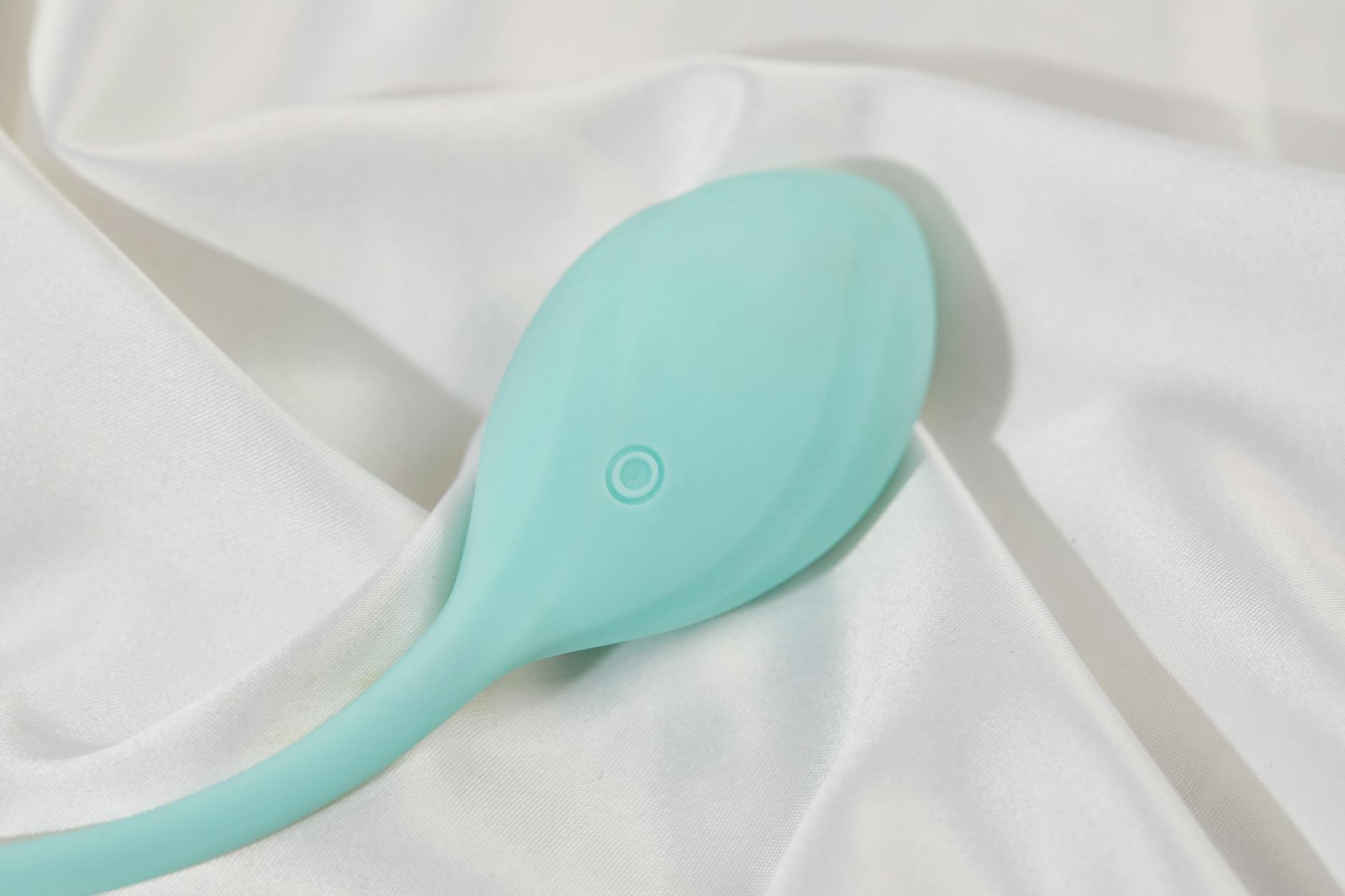
Set aside 10 to 15 minutes when you're calm and unhurried. Use the lowest setting on a lemon clitoral vibrator like The Lem, starting at pattern 1. Don't aim for arousal. Don't try to come. Just notice what you feel and where you feel it.
Many people report that sensation is now more localized. Instead of a big wave of intensity, they feel something concentrated in one spot. That's good. That's actually finer sensory resolution than before. Your nervous system is learning precision instead of overload. Notice whether the sensation travels or stays put. Notice if you feel an impulse to clench and can you choose not to. Notice your breath. Most people unconsciously hold their breath during stimulation. After pelvic floor work, that held breath often reignites tension.
This week is about befriending the new landscape, not conquering it.
Rebuilding the sensation bridge
Once you've spent a few days just observing, you can start the next phase: intentional arousal building without a vibrator. This step is crucial and often skipped.
Spend three to four minutes with manual stimulation only. No device. Use your fingers or your hand to explore your clitoris and vulva. This teaches your nervous system that pleasure still works without needing to white-knuckle into intensity. You're reminding your body that subtle sensation can build into something.
Then, once you feel some baseline warmth or arousal, introduce the lemon vibrator at the same low setting. Keep it there. Don't jump settings. The point is to let your system integrate this new sensation into the arousal you've already begun building manually.
This takes patience, but it usually takes two to three sessions before your nervous system stops fighting you and starts collaborating.
Building back to intensity (if that's what you want)
After about a week of consistent low-setting use, you can begin gently escalating. But escalate slowly. If you were using pattern 5 or 6 before, don't expect to go back there immediately.
Move from pattern 1 to pattern 2. Spend two to three sessions there. Then pattern 3. The goal is to retrain your nervous system that you can access intensity without automatically reverting to chronic tension. This usually takes two to three weeks, not two to three days.
Watch your pelvic floor during this process. If you notice yourself gripping hard, pause. Breathe. Your therapy work taught you how to consciously relax that area. Use it now. You're building new neural pathways where intensity lives alongside relaxation instead of replacing it.
This is actually the prize. Many people who go through pelvic floor therapy report that once they complete this phase, their pleasure is dramatically better. Because for the first time, they can experience intensity without the accompanying armor of tension.
Working with a partner during this phase
If you're with someone, communication here is not optional. Tell them what's happening. Not as an apology or a problem, but as information. "My nervous system is recalibrating. I need to move slower right now, and honestly, it's making me feel sensation more clearly." That's true. It's also an invitation for your partner to slow down with you.
Many couples find that this phase actually deepens intimacy because the pressure to perform drops. You're not trying to climax on someone else's timeline. You're exploring your own recalibrated system. Your partner can be curious about this with you instead of trying to speed you toward the finish line.
If your partner is also helping with your pleasure during this period (manually or with a lemon vibrator), ask them to match your pace. Let them know what intensity felt good that day. Ask them to notice whether you're tensing up and gently remind you to breathe.
Solo exploration during transition
Honestly, solo sessions are your friend right now. You have no one to perform for. No one's timeline but your own. You can pause, breathe, adjust, stop, start again without explaining yourself.
Most people find that during this pelvic floor transition phase, solo exploration is actually more effective than partnered sex for rebuilding arousal and sensation. Once your nervous system is stable again, partnered pleasure usually feels better and easier. But for these few weeks, give yourself permission to be selfish about your own body's needs.
Signs you're reintegrating well
You'll know you're moving through this successfully when a few things happen.
First, sensation stops feeling muted. The lemon vibrator starts to feel like it did before, or better. Second, you can access arousal without automatically bracing your pelvic floor. You feel the vibration without the armor. Third, your arousal and orgasm start happening more easily at lower or medium intensities. Your system isn't fighting you anymore.
Most people report this shift around week three or four of intentional reintegration. Some take longer, and that's fine. You're not on a deadline.
When to pause and reassess
If after three weeks of consistent use you're still feeling mostly numb, or if sensation actually gets worse, circle back with your pelvic floor physical therapist. Sometimes this is a sign that the tension is returning and you need a refresher session. Sometimes it's something else entirely.
If you experience pain, that's worth investigating too. Pain is different from numbness. Pain means something's not right, and it deserves professional attention. Your therapist or gynecologist can help you figure out what.
But absent pain, the timeline above usually works. Your nervous system wants to rewire toward pleasure. You're just giving it the right conditions to do that.
The payoff
One thing I notice with people who go through pelvic floor therapy and then deliberately reintegrate pleasure is this: they often end up with a richer, more nuanced experience than they had before. The lemon vibrators work better. The sensation is clearer. And the pleasure is paired with calm instead of tension.
That's not a small thing. You're not just recovering your old sexuality. You're building a better one.
People also ask
How long before a lemon vibrator feels normal again after pelvic floor relaxation training?
Typically four to six weeks with intentional reintegration. Some people notice a shift within two weeks. Others take eight weeks. It depends on how long your pelvic floor was tense and how consistently you practice the gradual escalation approach. The key is patience with the process, not racing back to your old intensity levels.
Can I use a lemon clitoral vibrator during pelvic floor physical therapy itself?
That's a question for your physical therapist specifically, because it depends on where you are in your treatment. During the active release phase, usually no. During the maintenance and reintegration phase, often yes, with modifications. Don't assume. Ask your therapist explicitly whether toys are okay at your stage of treatment.
Will I ever get back to the same orgasm intensity I had before?
Most people yes, and many report it's actually better. The difference is that post-therapy orgasms usually happen without the clenching and bracing that accompanied pre-therapy ones. That means the pleasure isn't mixed with physical armor. For a lot of people, that's a huge upgrade. But if intensity is what you want, you can absolutely reach it again with the gradual reintroduction approach.
What if my partner wants to use a lemon vibrator on me, but I'm still in the reintegration phase?
Having a partner operate the vibrator can be tricky during reintegration because you're learning to read your own body's feedback. You need to be able to pause, adjust intensity, and notice your pelvic floor engagement. With a partner, that communication has to be extremely explicit. Tell them your baseline settings. Ask them to stay there for several sessions before you change anything together. And definitely use your voice to pause if you feel tension returning.
Does the reintegration timeline change if I'm also managing stress or relationship issues?
Yes, typically it extends. Your pelvic floor responds to your nervous system state. If you're stressed or dealing with unresolved conflict with a partner, your floor will hold tension even after successful physical therapy. This doesn't mean something's wrong with you or your pleasure work. It means the broader context matters. Consider whether you need support with stress management or relationship repair alongside your pleasure reintegration.
Are there lemon vibrator settings I should avoid during pelvic floor recovery?
Generally, yes. Avoid the highest intensity settings (7 and above on most devices) for at least the first month post-therapy. Also avoid rapid pulse patterns that feel chaotic or activating. Rhythmic, steady patterns at low to medium intensity work better. The goal is supportive stimulation, not overwhelming stimulation. Once your nervous system stabilizes, you can explore the full range of settings.
Moving forward
Pelvic floor relaxation training is genuinely transformative, and the reintegration phase is where that transformation pays off. You're not trying to get back to baseline. You're building something better. Give your nervous system the time and the tools to settle into this new landscape. The lemon vibrators, clitoral suction toys, and other pleasure devices you've loved before will feel better on the other side of this work. And you will too.