Let's talk about the pain nobody mentions
You're aroused. Your partner touches you. Instead of pleasure, you feel a sharp sting, rawness, or that specific brand of sensitivity that makes you want to pull away. It's not a rejection. It's not your body saying no to sex. It's your nervous system running too hot, and direct friction hitting a threshold your skin can't handle right now.
This happens more often than you'd think, and it has nothing to do with attraction or desire. It's a signal that you need a different approach to stimulation.
Why hypersensitivity happens during arousal
When you're turned on, blood rushes to the clitoris. The tissue swells. The nerve endings become more alert and reactive. This is supposed to feel amazing. Sometimes it does. Other times, that heightened sensitivity crosses a line into discomfort.
Three scenarios trigger this most often.
First, you're touching yourself or being touched the same way you have been for years, but your body's tolerance has shifted. Hormonal changes, medication side effects, stress, or age can all rewire how sensitive your clitoris feels to direct pressure.
Second, you've had a break from sex or solo play. When the clitoris hasn't been stimulated for a while, it becomes hypersensitive to reintroduction. The tissue hasn't "woken up" yet, and friction feels like an assault instead of foreplay.
Third, you're using a partner's fingers or a toy with a blunt edge that concentrates pressure into a small area. That concentration of force, applied directly, is what triggers the sting. It's not the intensity setting. It's the point of contact.
The suction difference: why lemon vibrators work differently
Here's where lemon clitoral vibrators change the game.
Traditional vibrators use oscillation or buzzing. They make direct contact with the tissue, then vibrate fast and hard. If you're hypersensitive, that direct contact is the problem.
Lemon vibrators, and other suction-based devices, use a different mechanism entirely. Instead of pressing down, they create a gentle seal and pulse around the clitoris. The stimulation happens through suction and air pulse patterns, not through friction or direct vibration against raw tissue.
The difference is immediate. You get clitoral stimulation without the sting. The sensation builds slowly and feels broader, less concentrated. Your nervous system isn't getting overwhelmed by a single point of contact.
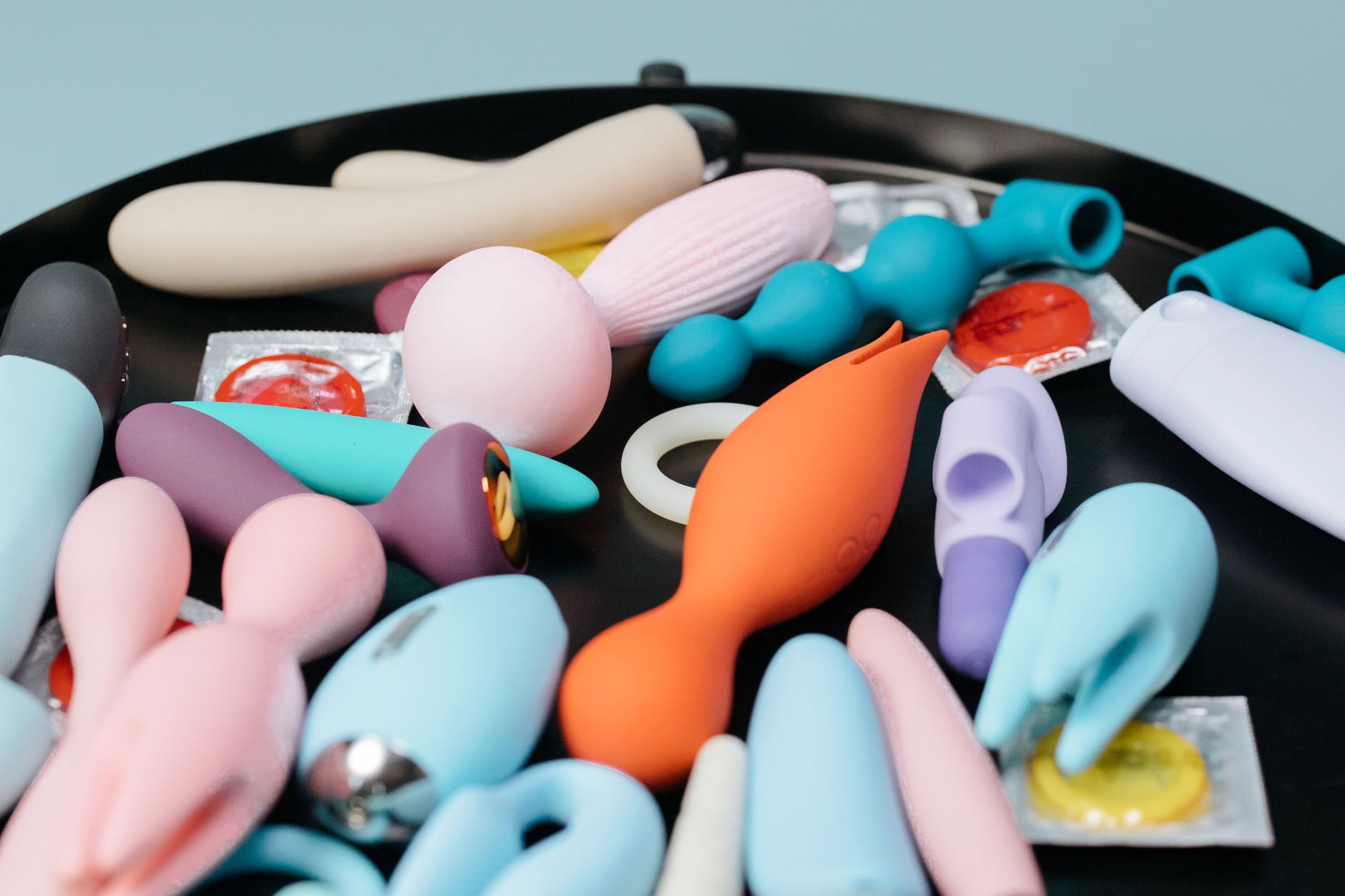
Photo by cottonbro studio on Pexels
How to start if direct touch hurts right now
The goal isn't to force arousal back. It's to rebuild tolerance and pleasure without the sharp sensations.
Start with your lemon vibrator on the lowest setting. Don't aim for the clitoris directly yet. Instead, use the suction cup against the inner labia, the hood of the clitoris, or the area just beside the clitoral shaft. You're creating stimulation in the neighborhood without landing on the sensitive epicenter.
Spend 5 to 10 minutes in this area. Your nervous system needs to remember that touch is safe again. You might feel arousal building, or you might just feel pleasant sensation without orgasm. Both are wins.
Once the surrounding tissue feels comfortable and your arousal is building, you can nudge the cup slightly over the clitoral hood. Not the exposed clitoris. The hood provides a buffer of tissue between the direct contact and the nerve endings below. The suction still stimulates, but with a layer of protection.
If that feels good, you can gradually increase to the lowest pulse pattern. Many people with hypersensitivity find that pulse mode works better than steady suction because the on-off rhythm feels less intense than continuous contact.
The patience piece that matters
Rebuild doesn't mean one session and you're fixed. It means three to five sessions over two to three weeks where you're doing this desensitization work intentionally.
Missed pleasure is a real loss. You're grieving the ease you used to have. Let yourself feel that. But also know that this is temporary, and it's fixable.
During this rebuild phase, manage your expectations with partners. You're not broken. You're regaining your baseline. If someone is making this about them, or pressuring you to skip the rebuild and get to the "main event," that's a conversation for a different time, but it's important. Your sensitivity is not their emergency.
When to check for other causes
Hypersensitivity that appears suddenly can sometimes signal an infection, dermatological condition, or hormonal shift that deserves clinical attention. If the pain is sharp, persistent, or accompanied by discharge, itching, or swelling, see a gynecologist before you assume it's a nervous system issue.
That said, most cases of arousal-related hypersensitivity are functional, not pathological. Your nervous system just needs recalibration.
The mental game
Your brain connects pleasure to what it remembers. If the last five times you touched yourself, it stung, your brain is now predicting pain. Arousal starts to feel like dread instead of anticipation. This is called learned pain sensitization, and it's real.
Using your lemon vibrator in this gentler way isn't just physiologically different. It's psychologically different. You're giving your brain new data: touch doesn't always mean pain. Pleasure builds slowly. My body can feel good again.
That mental reset often matters as much as the physical mechanism.
A note on lubrication
Water-based lubricant helps tremendously when you're hypersensitive. It reduces friction even further and creates a smoother interface between your body and the toy. Use generously. It's not a sign that something is wrong. It's a tool that makes the experience safer and more comfortable.
If your hypersensitivity is linked to hormonal changes or reduced natural lubrication, lube becomes non-negotiable. Pair your lemon vibrator with a quality water-based lubricant, and you'll likely find that pleasure returns much faster.
FAQ: Hypersensitivity and Lemon Vibrators
Why does my clitoris feel painful when I'm already aroused?
During arousal, increased blood flow to the clitoris causes swelling and heightened nerve sensitivity. If you're hypersensitive due to hormonal shifts, medication, or a break from sexual activity, that heightened state can cross into discomfort. Direct contact or friction on the exposed clitoris intensifies this. Suction-based lemon vibrators avoid direct friction and distribute stimulation more gently across a larger area, which often feels better when you're dealing with hypersensitivity.
Can I use a lemon vibrator if touching myself feels raw?
Yes, but start conservatively. Use the lowest suction setting against the clitoral hood or inner labia rather than the clitoris directly. This gives you gentle clitoral stimulation without the sharp, concentrated pressure that causes rawness. After a few sessions of rebuild work, you can gradually increase intensity or move the cup directly over the clitoris as comfort allows.
How long does it take to rebuild sensitivity after hypersensitivity?
Most people see noticeable improvement within two to four weeks of consistent, gentle stimulation using the rebuild approach. Your nervous system learns through repetition that touch is safe again. Some people feel better in days. Others need longer. The key is consistency and patience, not pushing through pain.
Is hypersensitivity a sign that something is medically wrong?
Hypersensitivity during arousal is often functional, not pathological. Hormonal changes, stress, medication, or nervous system recalibration can all cause it. However, if the pain is sharp, accompanied by swelling or discharge, or shows up suddenly, see a gynecologist to rule out infection or dermatological issues. Most cases resolve with the right stimulation approach.
Do lemon vibrators work better than traditional vibrators for sensitive clitorises?
For people with hypersensitivity, yes. Lemon clitoral vibrators use suction and air pulse patterns instead of direct oscillation. This avoids the concentrated, friction-based pressure that traditional vibrators apply. The stimulation feels broader and less intense, which is often exactly what a hypersensitive nervous system needs. They're also gentler to build tolerance back up with.
Can I use a lemon vibrator with my partner if I'm hypersensitive?
Absolutely. Once you've rebuilt some baseline comfort on your own, bringing a lemon vibrator into partnered sex can be a relief. You're no longer relying on your partner's fingers, which are harder to control and apply consistent, gentle pressure. The device does the work, and your partner can focus on connection and other forms of touch. This often takes pressure off both of you.
Moving forward
Hypersensitivity during arousal is a detour, not a dead end. Your body isn't broken. It's communicating that the old approach doesn't work anymore, and that's actually useful information.
Using a lemon vibrator with intention during this phase gives you a tool that works with your nervous system instead of against it. Suction-based stimulation, built up slowly, restores pleasure without the sting.
If you want help thinking through the relational side of this, especially if sensitivity is affecting partnered sex, don't hesitate to reach out. You can also explore guides on how to use lemon vibrators with a new partner without awkwardness or why lemon vibrators feel better with a partner after solo use to see how other people navigate this. Your pleasure deserves a path forward, and it's out there.