Let's name the thing nobody wants to talk about
Antidepressants save lives. They also, for many people, make orgasm harder to reach and less intense when it arrives. This is a known side effect of SSRIs (selective serotonin reuptake inhibitors). Your psychiatrist probably mentioned it in passing, if at all. You're left wondering if flat pleasure is the price of mental health, and whether you have to accept it.
You don't. There are real solutions.
Why SSRIs flatten sensation (the neuroscience part, made simple)
SSRIs work by increasing serotonin availability in your brain, which helps with mood and anxiety. But serotonin also regulates arousal and orgasm. Too much of it circulating, and the chain reaction that leads to orgasm gets slowed down. Your brain isn't damaged. It's just working through a different neurochemical landscape.
The result: arousal takes longer, orgasm takes longer, and when it happens, it feels muted. Some people describe it as watching pleasure from behind glass. Others say the physical sensation is there but the emotional resonance is gone. Both are real experiences of SSRI-related anorgasmia or delayed orgasm.
Here's what's important: this is not permanent, and it's not a sign you're broken. It's a side effect you can work around.
How air-suction vibrators bypass the SSRI problem
Most vibrators work through vibration alone, which stimulates nerves through repeated pressure and movement. Your brain still has to process that signal through the serotonin-dampened system. It's like trying to hear someone whisper in a noisy room. The signal is there, but it's competing with other noise.
Air-suction vibrators like the Lem work differently. Instead of vibration, they create a gentle suction pulse that stimulates nerves through a different pathway. This method is less reliant on the serotonin system and more directly stimulating to the clitoral nerve complex. It's like turning up the microphone instead of shouting louder.
The result: many people on SSRIs report that air-suction clitoral vibrators bring sensation back quickly. Not because they're stronger (they're actually gentler than traditional vibrators), but because they're using a neurological shortcut around the SSRI bottleneck.
The actual setup that works
Three things matter: the toy, the lube, and the timing.
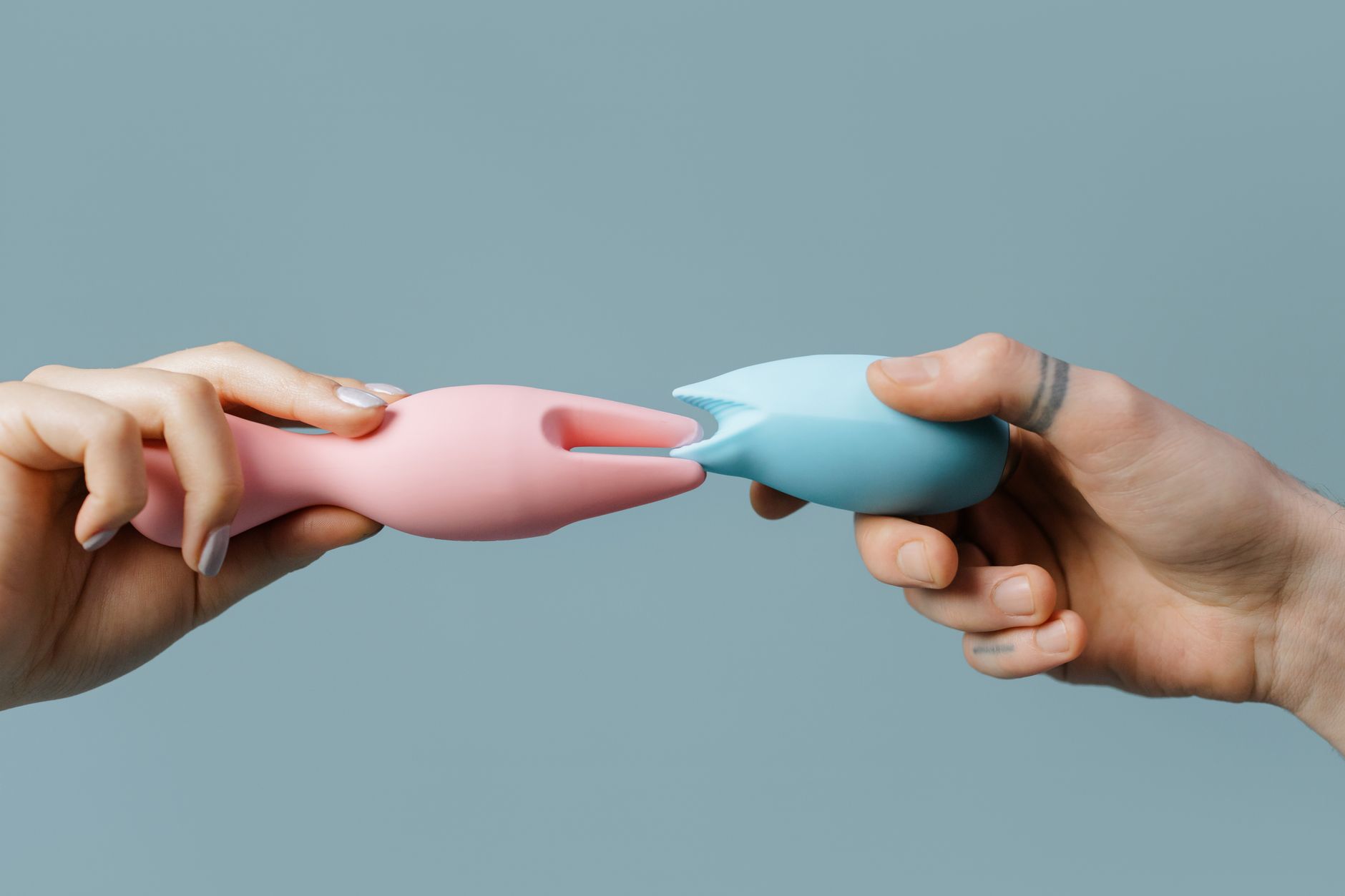
The toy. The Lem is designed for this exact use case. It's a lemon clitoral vibrator that uses air-suction, comes in an ergonomic shape that fits most bodies, and has enough pattern variety that you can find what works without overwhelming your system. Start on pattern 1 (the gentlest suction). This isn't about intensity. It's about finding the right signal.
The lube. Use water-based. Silicone lube feels richer, but it can block the suction seal that makes air-suction vibrators effective. Water-based lets the seal work properly.
The timing. SSRIs are usually metabolized in a predictable way. Some people find that taking their medication in the evening and timing solo play for the next morning gives the drug more time to clear. Others find that going longer between doses (if their psychiatrist approves) helps. This is conversation you can have with your doctor. It's not about stopping medication. It's about optimizing timing within what's safe and prescribed.
Four patterns to try when starting out
Don't jump to the highest setting. The goal is to wake up sensation, not bludgeon it into submission.
Pattern 1 (soft pulse). This is where most people start. It's gentle enough that it won't feel overstimulating, which is important because SSRI-related numbness can make you want to crank intensity. Resist that. Spend 2-3 minutes here. Notice what you feel, even if it's subtle.
Pattern 2 (medium pulse). Once Pattern 1 feels like something, move here. You're building a map of sensation, not racing to an orgasm.
Pattern 3 (building pulse). This one ramps up gradually. It's good for understanding how your body responds when you give it a bit more input. Some people find this one works best for them. That's fine. There's no "right" pattern.
Pattern 4 and beyond (intense pulse). Save these for when you've mapped Patterns 1-3 fully. You may not need them. That's also fine.
Why solo play matters right now
When you're taking SSRIs and adjusting to how your body works on them, partner sex adds variables: performance pressure, someone else's timeline, someone else's pleasure. You don't need that right now.
Solo play is the diagnostic tool. It's how you figure out what sensation feels like again without the added weight of someone else's expectations. Once you've rebuilt the map of your own pleasure, you can bring that knowledge into partner sex. But this part, the early part, is yours alone.
The conversation you might need to have with your doctor
If the SSRI side effects are severe, there are sometimes options your psychiatrist may not volunteer. Some doctors suggest switching to a different SSRI (not all of them have the same orgasm-dampening profile). Others recommend adding a second medication that counteracts the sexual side effect, like bupropion or buspirone. These aren't band-aids. They're legitimate medical adjustments.
Bring up the lemon vibrator conversation too. Good psychiatrists aren't squeamish about this. They know SSRIs affect sexual function. They want you on a medication that works for your depression and that you'll actually stay on. If the sexual side effect is so severe you're considering stopping the medication, your doctor needs to know that.
When sensation starts coming back
Some people feel a difference within a few days of using air-suction vibrators. Others take weeks. Both timelines are normal. Your brain isn't broken. It's learning to find pleasure through a new pathway.
When sensation does return, it often feels different than it did before the SSRI. Less explosive sometimes, more subtle. That's not worse. It's just different. You get to decide if you like it.
Many people on SSRIs who've rebuilt their pleasure report that it's actually richer because they're paying more attention. They're not taking sensation for granted. They're exploring what their body can do with intention. That's not nothing.
FAQ: Antidepressants, Sensation, and Lemon Vibrators
Can I use lemon sexual toys while taking SSRIs?
Yes, absolutely. Lemon clitoral vibrators are safe to use with any medication. The air-suction technology works independently of your SSRI. There's no drug interaction. What you're doing is using a tool that accesses sensation through a different neural pathway, bypassing the serotonin-related dampening.
How long does it take for lemon vibrators to help with SSRI-related numbness?
That varies. Some people report improved sensation within days. Others take 2-4 weeks. It depends on how severe the numbness is, which SSRI you're taking, and your individual neurology. Start with patience and consistency (3-4 times a week) rather than expecting immediate results.
Should I tell my psychiatrist I'm using a vibrator?
You don't have to, but if the SSRI side effects are significant, mentioning that you're exploring tools to help with sensation can open a conversation about whether adjusting your medication or dose might help. Some psychiatrists have recommendations based on other patients' experiences. It's medical information. Treat it that way.
Will using a lemon vibrator make my SSRI stop working?
No. A vibrator is a physical tool. Your SSRI is a medication. One doesn't interfere with the other. Using an air-suction vibrator isn't going to reduce the antidepressant effect or make your mental health worse. If anything, restoring sexual pleasure can improve overall well-being and quality of life, which supports mental health.
Is delayed orgasm on SSRIs permanent?
Not always. Some people find that after a few months on the medication, their body adjusts and sensation improves on its own. Others need the tool support. And some people do stay on the medication and use air-suction vibrators long-term because they like how it works. There's no expiration date on this.
Can I use lemon vibrators if I'm also taking other medications?
There are no documented interactions between sex toys and common medications. If you're on something unusual or have specific health concerns, it's worth mentioning to your doctor, but in the vast majority of cases, using a vibrator is fine. It's a physical device, not a pharmaceutical.
You don't have to choose between mental health and pleasure
The idea that antidepressants mean giving up sexual satisfaction is a myth worth killing. You can be on an SSRI and have good orgasms. You might need a different tool to get there. You might need to adjust timing or dosing with your doctor. But you don't have to live with flat pleasure as the price of mental health.
Try how to use lemon vibrators when you're first exploring solo pleasure for more fundamentals about getting started. And if you want to understand how to bring this into partner sex once you've rebuilt sensation, how to use lemon vibrators with a partner to build shared pleasure covers the conversation piece.
Your pleasure matters. Your mental health matters. You get both.