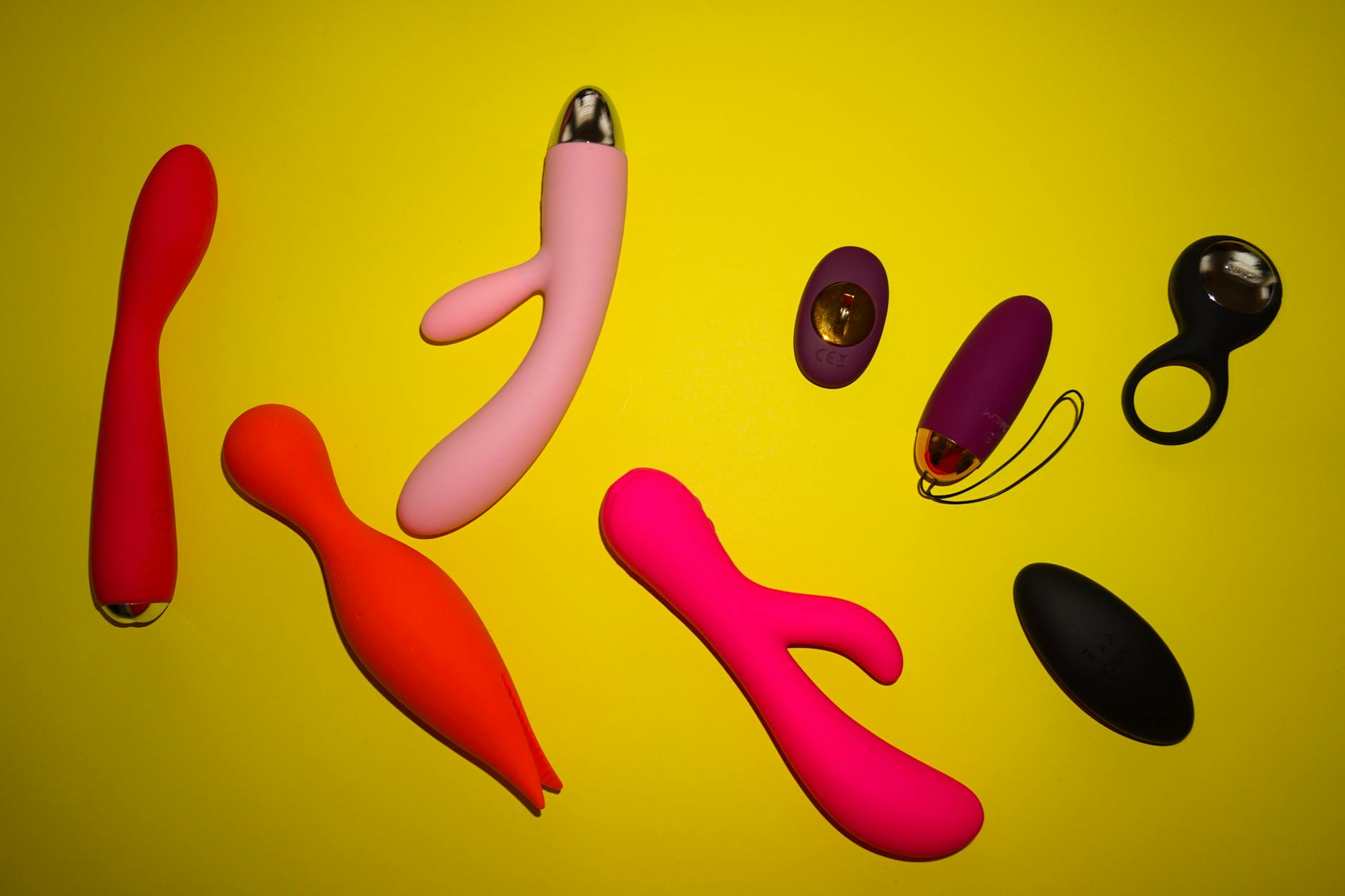
The fear that stops most people
Honestly though. The moment you think about bringing a vibrator into a new relationship, your brain probably goes to one place: will they think I don't want them? Will they feel replaced? Will this destroy the thing I'm building?
That fear is so common that I see it in nearly every couple I work with. But here's the plot twist. When the conversation happens early and you frame it right, a clitoral vibrator becomes proof of trust, not a threat.
Why the timing actually matters
There's a window. Too early and you're swapping pleasure details with someone you don't know yet. Too late and you're springing a change on someone who's already settled into a pattern with your body. The sweet spot is usually 2-4 months in, when you both feel safe enough to be honest but haven't hardened into routine yet.
At that stage, introducing a lemon vibrator signals something specific. You're saying: I want to explore with you. I trust you enough to show you what feels good. I'm not hiding this. That's the opposite of a threat. It's intimacy.
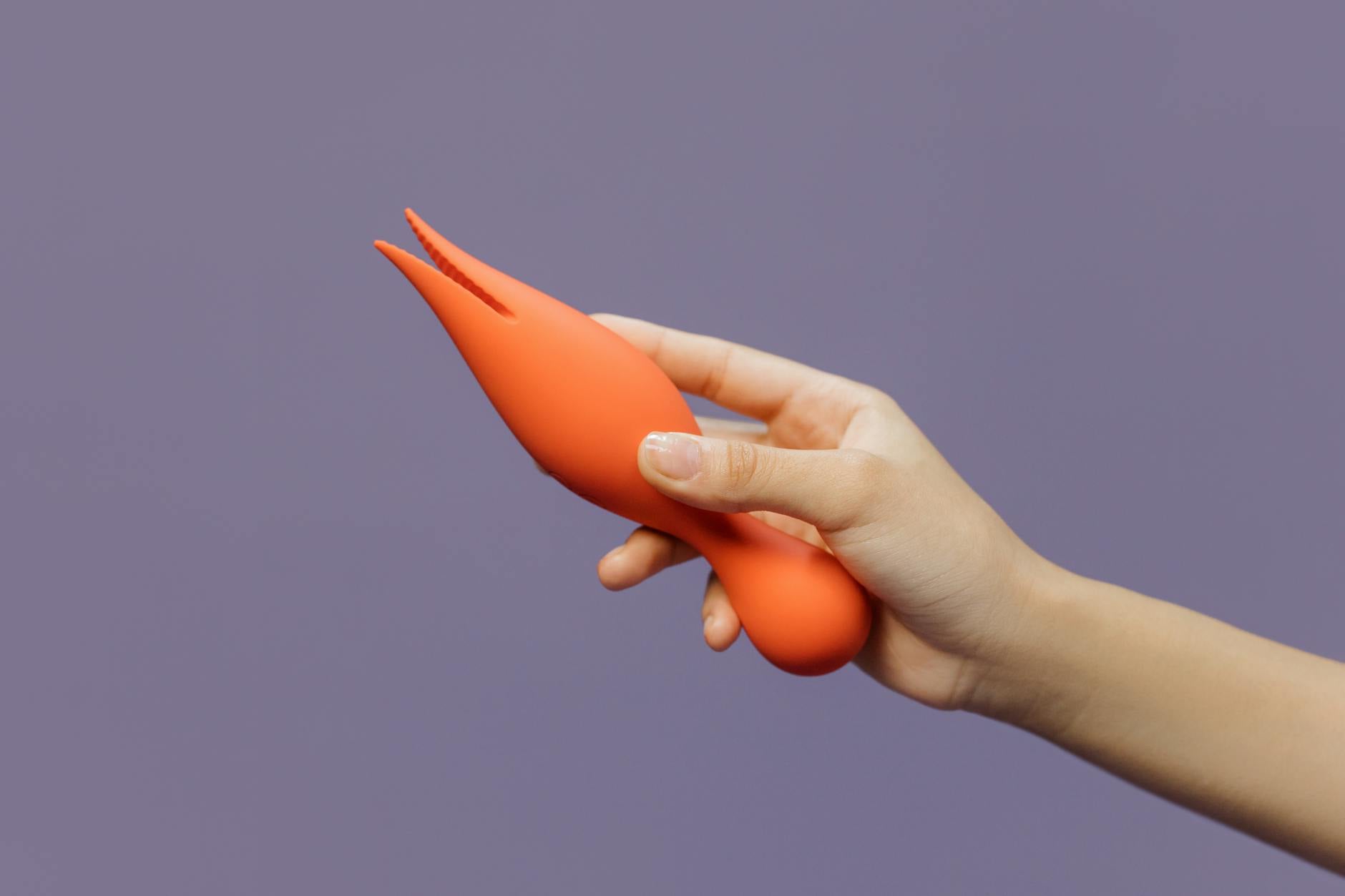
Photo by cottonbro studio on Pexels
The conversation that actually works
Don't lead with the toy. Lead with the feeling.
Something like: I've been thinking about this more, and I want to share something that makes me feel really good. I'd love to explore that with you, if you're curious. That creates space without pressure. They can ask questions. They can say yes, no, or let me think about it.
If they ask what you mean, then you say: I've found that a clitoral vibrator helps me feel pleasure in a way that's hard to describe. It's not about replacing anything. It's more like adding to the experience. Would you be open to trying that together?
Notice what you just did. You named the tool. You explained the feeling. You invited participation. You removed ambiguity.
Most partners aren't threatened by vibrators. They're threatened by secrecy. By feeling like there's something you want that you're keeping from them. Transparency demolishes that.
What to expect emotionally
Even with a solid setup, some partners will hesitate. That's not rejection of you. That's often their own stuff. Maybe they grew up hearing that vibrators were shameful. Maybe they've absorbed the myth that they should be enough on their own. Maybe they're worried they won't know what to do.
When that happens, don't defend yourself or the toy. Instead, get curious. Ask them what they're worried about. Really listen. Sometimes it's a one-sentence clarification that shifts everything. Sometimes it takes a few conversations.
This is where the real relationship building happens. Not in the bedroom. In the honesty before the bedroom.
The practical setup
If they say yes, don't hand them a lemon vibrator and hope for the best. Stage it.
First time should be solo or very low-pressure. You might say something like: I'd like to explore this on my own first, and then maybe sometime soon you could be part of it. This takes the performance pressure off. You're not proving anything. You're just exploring.
When you do invite them in, walk them through it. Show them the settings. Explain what each sensation feels like. Let them hold it, feel the vibration, understand how quiet it actually is. The Lem vibrator, for instance, is significantly quieter than most people assume. That changes the energy immediately.
Start with clothes on or partially on. Let them see how you respond. Let them ask questions. There's nothing sexy about pretending you've got it all figured out when you're still learning together.
What NOT to do
Don't surprise them. Don't pull it out mid-sex without warning. Don't frame it as something you need because sex with them isn't enough. Don't compare it to their ability or their body. Don't make them responsible for using it correctly the first time.
Don't get defensive if they're not immediately enthusiastic. Some people need time to adjust to the idea. That's not a referendum on your relationship. It's just information.
Don't make it weird if they'd rather not participate at all. You can use a lemon clitoral vibrator solo and have them present in the room. You can have separate pleasure practices. There are a hundred ways this can work.
The conversation after
Once you've explored together, debrief. Not in a clinical way. Just: how did that feel for you? What did you like? What was weird or uncomfortable? What do you want to try next?
This is where partners often surprise you. Someone who was nervous might say they loved watching you get pleasure. Someone who was quiet might admit they felt more connected. Someone might ask to try something different next time.
The vibrator becomes a vehicle for conversation. That's the real shift.
When they say no
Some partners won't be interested in participating. That's okay. You can still use a lemon vibrator in your solo practice. You can use it when they're not around. You can build a pleasure life that exists separate from your partnership, and that's healthy.
But I'll be honest. If someone refuses to even talk about your pleasure in a way that feels open and curious, that's information worth noticing about the relationship. Not a dealbreaker necessarily, but worth examining. Couples who can navigate desire honestly tend to stay connected. Couples who avoid the topic tend to drift.
Building trust through pleasure
Here's what I've seen happen over and over. A couple introduces a vibrator early, with honesty and no pressure. They both feel less alone in their pleasure. They talk more openly about what feels good. They have more sex, sometimes, because the pressure to perform perfectly has lifted.
That's not because the toy is magic. It's because they practiced vulnerability together. They chose transparency over shame. They made pleasure a shared conversation instead of a solo project.
That foundation matters. When you can talk about sex toys, you can usually talk about anything else too.
People also ask
Will introducing a vibrator make my partner feel insecure?
Not if you frame it right. Insecurity comes from secrecy and feeling replaced. Transparency and genuine invitation do the opposite. Most partners feel closer after a real conversation about pleasure toys, not more threatened.
How do I know if the timing is right to bring this up?
You're ready when you both feel emotionally safe, when you've had at least one conversation about sex or desire that wasn't awkward, and when you trust them enough to be vulnerable. That's usually 2-4 months in, but it varies. Trust your gut. If it feels forced, wait.
What if my partner thinks vibrators are weird or shameful?
That's their story to work through, not yours to fix. You can share information. You can normalize the conversation. But you can't force someone to change their beliefs. You can decide if you want to be with someone who makes your pleasure feel weird though. That's fair.
Should I let my partner use the vibrator on me the first time?
Not necessarily. Let them observe first. Then offer. Some people feel more comfortable participating once they understand how it works and they've seen you enjoy it. Low pressure and lots of consent make everything better.
What if we try it and it feels awkward?
Awkward is normal. New things usually are. Talk about what felt off. Was it the communication? The setting? The expectations? The vibrator settings? Usually one small adjustment changes everything. Give it a few tries before deciding it doesn't work.
Can we use a lemon clitoral vibrator if we have mismatched desire levels?
Absolutely. In fact, it often helps. If one partner wants sex more frequently, the other can use a vibrator solo without creating pressure to perform. This removes a major source of resentment in couples. But the real fix is still the conversation. The vibrator is a tool, not a solution.
The long view
Introducing pleasure toys with a new partner is less about the toy and more about building a relationship where vulnerability is safe. Where you can ask for what you want. Where desire is something you explore together instead of something you hide.
That foundation serves you far beyond the bedroom. When you can talk about vibrators, you can talk about money, family, fears, dreams. You've practiced being honest when it matters.
Start that conversation early. Keep it honest. Keep it curious. Your future self will thank you for building that kind of trust. If you're looking for more guidance on navigating these conversations with precision, reach out to Shop Lemon Sexual Toy and we can point you toward resources that match your situation. Your pleasure and your relationship both deserve that care.