
Let's start with why this conversation feels so hard
Bringing a lemon vibrator or any clitoral vibrator into a new relationship triggers something primal. You're not just saying "I like pleasure." Your brain hears it as "You're not enough," and their brain, if they're not careful, might hear it the same way. That's not fair to either of you, and it's not true. But the fear is so common that most people just... don't mention it. They wait. They hide it. They give up the thing that works for them to avoid friction with someone new.
Here's what I tell clients in my therapy practice: the right partner will see a lemon clitoral vibrator as a collaboration tool, not a threat. Your job is to make that reframe as clear as possible before the moment gets loaded.
The timing question (earlier than you think)
Most people wait too long. They wait until they're sleeping together regularly, or they wait until they're frustrated that it's taking longer than they want, and suddenly the vibrator arrives mid-session like a plot twist nobody asked for. That's when defensiveness shows up.
Instead, bring it up in conversation before clothes come off. Not "before you ever kiss," but maybe within the first 2-4 weeks of dating, once you've established that sex is going to happen and there's genuine interest on both sides. The window is small enough that it doesn't feel random, but large enough that you're not ambushing them with it mid-makeout.
How to frame it as information, not demand
The language matters wildly. Here are three scripts that work:
Script 1: The pleasure-positive opener. "Hey, I want to be upfront about something. I use a vibrator because I know what gets me there, and I'd rather bring that into what we do together than fake it. Does that feel okay to you?" This signals confidence and partnership at the same time.
Script 2: The curiosity angle. "I'm really into exploring things together. I have a clitoral vibrator I love. Would you want to play around with it together, or would you rather I didn't bring it into things?" This makes it an experiment, not a necessity.
Script 3: The health framing. "My body responds really well to a certain kind of stimulation. It's not about what you do or don't do. It's just... how I'm wired. I have something that helps with that, and I'd love to use it when we're together if you're cool with it." This removes the ego component entirely.
Pick whichever feels most like you. The authenticity matters more than the exact words.
What they might say back (and how to respond)
You'll get a few common reactions. Knowing them in advance takes the sting out.
"Will you need it every time?" Answer truthfully. "No, sometimes I want it, sometimes I don't. Depends on the day, depends on us, depends on what feels right." This reminds them it's optional, not mandatory.
"Does that mean I'm not doing enough?" Here's where you get clinical. "Nope. Clitoral stimulation is different from penetration. Most people with vulvas need external stimulation to orgasm. A lemon vibrator isn't a replacement for you. It's a different sensation I'm adding to what we're already doing." Education defuses shame.
"That seems weird to me." Fair. Don't defend. "I get it. Some people aren't into it, and that's okay. But I'm hoping you'll be willing to try it at least once and see how it feels. If it's still not your thing, we can figure something out."
"Yeah, let's try it." Relief. Don't oversell it now. "Cool. We don't have to use it right away. Just whenever feels natural."
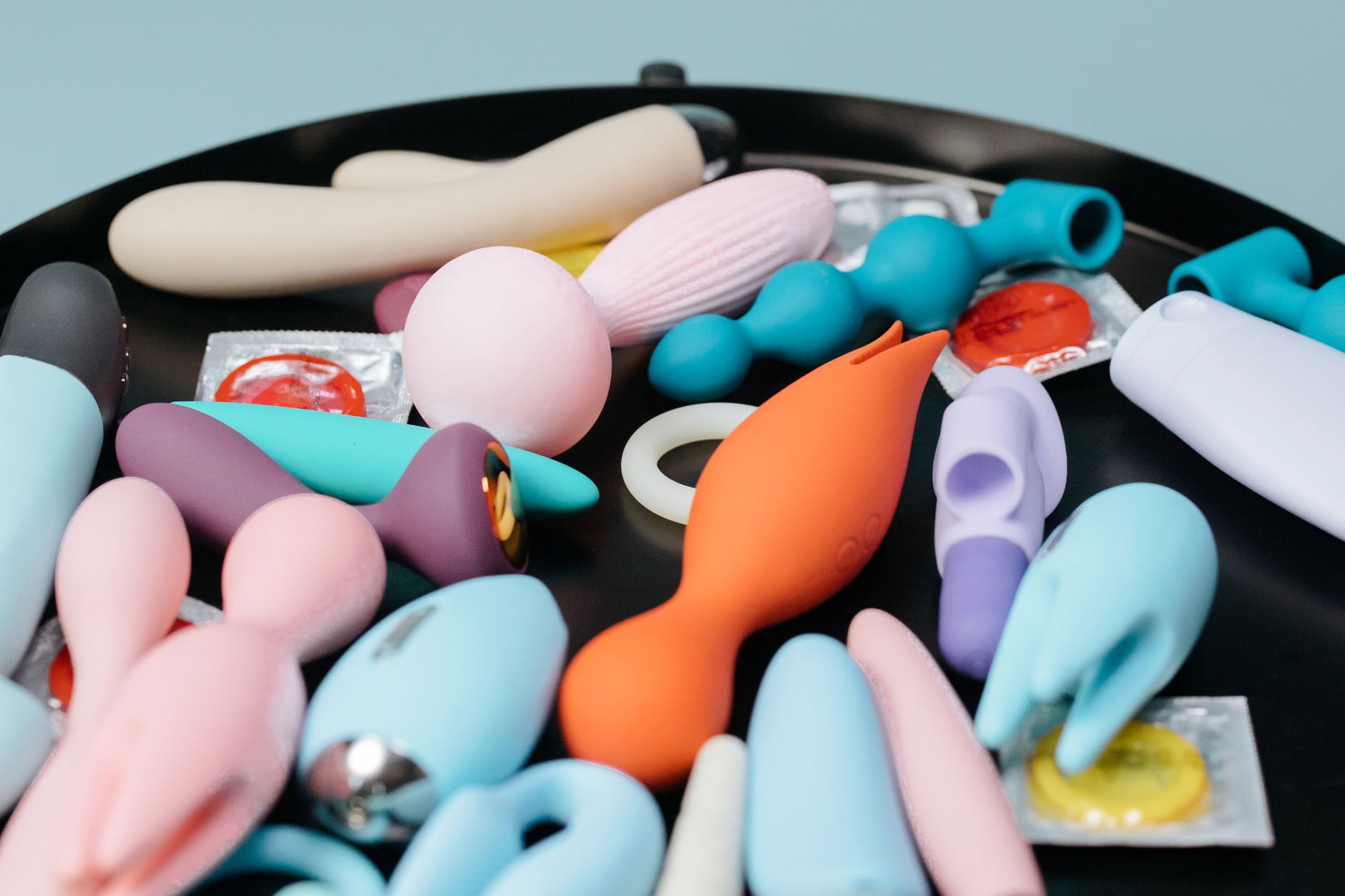
Photo by cottonbro studio on Pexels
The first time you use it together (make it easy on both of you)
Don't make it A Thing. The pressure to have a transcendent experience will kill it. Instead, keep it low-stakes.
Start with something simple: use it on yourself during partnered sex. Let them watch or feel the vibrations against them. Lemon adult toys work beautifully this way because the suction mechanism means they don't require constant repositioning. You can focus on each other, not logistics.
If you're using a lemon clitoral vibrator like the Lem, the pattern and intensity controls mean you're never stuck on one setting. Start low. Breathe. Let your body tell you what it wants. Your partner might be curious about the sounds, the sensations, how your body responds. That's all useful information. You're teaching each other.
What you're not doing: performing. You're not narrating every step. You're not apologizing. You're not checking in obsessively (once or twice is fine, but constant questions kill the moment). You're just... using your body the way it works best, and inviting them to be part of that.
The conversation after (more important than you'd think)
Once you've tried it, talk about it within a day or two. Not to dissect it to death, but to get a read on how they actually felt.
"How did that feel for you?" is enough. Listen to the answer. They might have loved it. They might have felt neutral. They might need a few more times to warm up to it. All of those are fine. The goal isn't instant enthusiasm. The goal is honesty and openness.
If they had a strong reaction (good or bad), ask why. "What did you like about that?" or "What made you uncomfortable?" People often discover their own feelings as they're saying them out loud. Give them space to figure it out.
Red flags that matter
If they respond with shame or anger, that's information. "You're a slut," or "I don't want you thinking about other things," or "That's disgusting"... those are relationship red flags, not vibrator red flags. A partner who can't hold your pleasure as separate from their own ego probably has other issues too. This isn't about being prudish. This is about respect.
Likewise, if they insist on controlling how you use it, or pressure you to stop using it alone, that's a boundary problem. Lemon vibrators and other clitoral vibrators are tools for your pleasure. They belong to you. A healthy partner sees that as sexy, not threatening.
Making it routine (not weird)
Once you've both settled into the idea, it becomes normal surprisingly fast. You keep it in your nightstand. You use it some nights and not others. Your partner might ask to help, or they might give you space. Neither is wrong.
The key is consistency. If you use it once and then hide it for six months, you reinforce the idea that it's something to be ashamed of. If you use it regularly and matter-of-factly, your partner will eventually stop thinking of it as unusual and start thinking of it as just part of how you two have sex together.
Honestly, most partners eventually come around to seeing lemon clitoral vibrators as an asset, not a threat. They get to watch you feel good. They get to learn what your body needs. They get to be part of your pleasure instead of worried they're failing at it. That's a gift, not a rejection.
When to keep it private
Not every partner gets a seat at this table. If you're having casual sex, you don't owe anyone a conversation about your body or your tools. You can use a lemon vibrator on your own time, before or after. You can ask permission in the moment ("Is it okay if I use this?") and leave it at that.
The scripts above are for people you're building something with. For shorter-term connections, simple clarity works fine: "I'd like to use this, is that cool?" Done. Their reaction will tell you everything.
The reality check
Introducing a lemon sexual toy into a new relationship is not a referendum on whether he loves you or whether the relationship will work. It's just logistics. It's you saying: I know my body, I know what works, and I'm inviting you to be part of that. A partner who can handle that is showing you they respect you. Hold onto that.
For more on building that kind of communication, check out our guide on how to use lemon vibrators when you want to explore new sensations with your partner. And if the relationship itself feels shaky after this conversation, that's what reconnection work is for.
FAQ
Will introducing a lemon vibrator make my new partner feel insecure?
Sometimes, if they're already struggling with self-worth. But that's their wound to heal, not your responsibility. Most secure partners see it as neutral or positive. The conversation matters way more than the object. If you frame it as "I'm adding something to what we're already doing" instead of "You're not enough," the insecurity is way less likely to surface.
What if my partner wants to use a lemon clitoral vibrator on me but I'm not comfortable with it?
Then say so. "I appreciate that, I'd rather control it myself for now." You don't need a long explanation. Boundaries aren't rude. They're actually sexy because they're clear. As you get more comfortable with each other, that might change. Or it might not. Either way is fine.
Is there a "right" time in the relationship to bring up toys?
Not exactly. But early enough that it doesn't feel like a surprise, and late enough that you know they're interested in actually having sex with you. Somewhere in the first month of dating usually works. If you're already sleeping together and haven't mentioned it, just bring it up in conversation. "Hey, I realize I never said this, but I have a vibrator I'd love to use when we're together."
What if they say no?
Then you decide if that's a dealbreaker for you. It might not be. You can use lemon adult toys on your own, or you can decide that a partner who won't make space for your pleasure isn't the right fit. Both are valid choices. Just make that decision consciously, not passively.
Can I use a lemon sexual toy if my partner has a low sex drive?
Absolutely. In fact, it might actually help. If your partner isn't interested in sex as often as you are, a vibrator gives you an outlet that doesn't require them to perform. You get your pleasure met, they don't feel pressure. Just have the conversation so they know it's not about them rejecting you.
How do I know if a lemon vibrator is right for introducing to a new partner?
Lemon clitoral vibrators work really well for this because they're gentle, they don't require a ton of setup, and they're quieter than most wand vibrators. The Lem, for example, has adjustable patterns, so you're never stuck on one intense setting. You can explore what feels good together. For a new partner situation, that flexibility is gold.