Here's what anxiety actually does to your body
Let's be real. When your nervous system is running a constant loop of "something's wrong," your brain shuts down pleasure pathways. That's not a choice you're making. That's biology. Anxiety triggers your sympathetic nervous system—the fight-or-flight response that prioritizes survival over sensation. When you're in that state, arousal feels distant. Orgasm feels impossible. And then the spiral starts: you feel broken, which creates more anxiety, which kills arousal further.
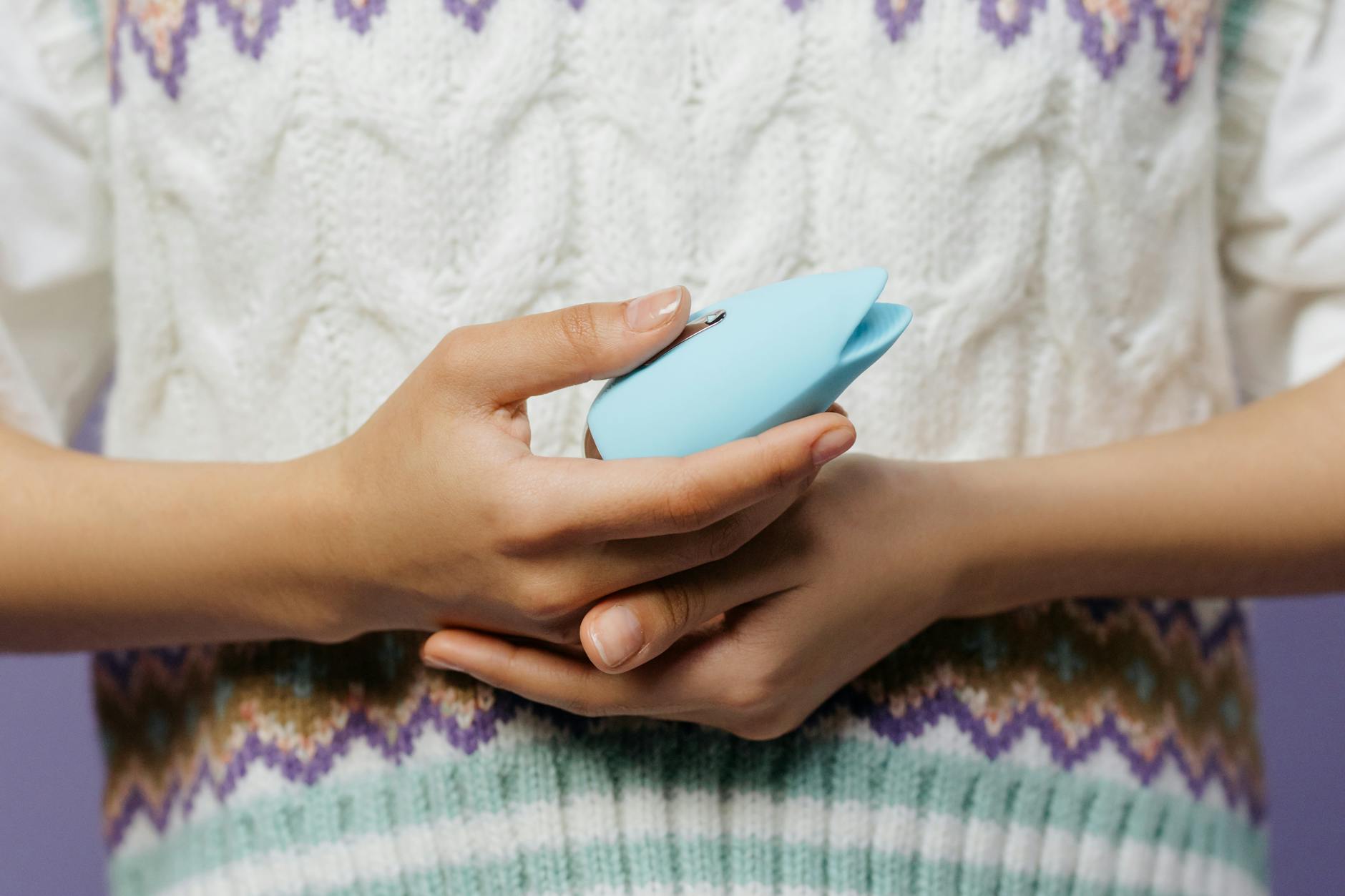
The good news is that lemon clitoral vibrators—particularly ones using suction technology like the Lem—can actually interrupt this cycle. Not because vibration is magic, but because consistent, predictable stimulation sends a specific signal to your brain: "You're safe enough to feel something good."
I work with clients around this all the time. The problem isn't that they've lost their capacity for pleasure. The problem is their nervous system won't let them access it.
Why anxiety kills arousal (the neuroscience part)
When you're anxious, your amygdala—the part of your brain that processes threat—is hyperactive. Meanwhile, your prefrontal cortex, which handles decision-making and pleasure, gets quieter. Your body also floods with cortisol and adrenaline, which literally constrict blood vessels in your genitals. This is the opposite of what needs to happen for arousal.
Here's the weird part: you can't think your way out of this. Telling yourself "just relax" when your nervous system is dysregulated is like telling someone with a broken leg to "just walk normally." It doesn't work because the problem isn't your willpower. It's your physiology.
But your vagus nerve—the major nerve that controls your parasympathetic system (the calm, rest-and-digest side)—responds strongly to rhythmic physical sensation. When you apply consistent, pleasurable stimulation, your body starts to register: "This is safe. This feels good. I can be here." That's not distraction. That's literally rewiring your nervous system in the moment.
The three types of anxiety that kill sex
Generalized worry: Your mind is always spinning. You're thinking about work, money, family, your health—sometimes all at once. During sex, you get about three minutes of presence before your brain jumps to the next thing.
Performance anxiety: You're worried you won't orgasm, or that it'll take too long, or that you're doing something wrong. Every time you get close to pleasure, a voice in your head says, "Are you sure this is working?" and pulls you out of it.
Panic-adjacent activation: Your body feels on high alert. Your chest tightens, your breathing gets shallow, your muscles feel tense. Even though you know logically that you're safe, your body doesn't believe it.
Each one responds differently to lemon vibrators, and I'll explain why in the next section.
How suction-based stimulation grounds your nervous system
Most vibrators create a steady buzz. That works for some people, but for someone with anxiety, constant intensity can feel overstimulating—it can actually trigger more panic because there's no rhythm, no predictability, no sense of being held.
Suction technology, like what you get with a lemon clitoral vibrator such as the Lem, works differently. It creates a pressure-and-release pattern that mimics something your body recognizes: the rhythm of breathing, the pattern of a heartbeat, the sensation of gentle suction that your nervous system reads as soothing rather than urgent.
This matters because your vagus nerve responds to rhythm. When rhythm is present, your body naturally shifts toward parasympathetic activation. Your heart rate slows. Your breathing deepens. Your muscles release. The suction pattern becomes a kind of external regulator—it gives your nervous system something to follow, like a metronome for calm.
For people with generalized anxiety, this becomes a permission structure: "I don't have to think about anything else right now. My body knows what to do. I can just follow the rhythm." For people with performance anxiety, the pressure-and-release cycle is so different from typical vibration that it bypasses the shame loop entirely. You're not "trying to come." You're just tracking a sensation.
Step-by-step: How to use lemon vibrators when anxiety is active
Start in a body-safe position. Not in bed necessarily. Sometimes anxiety needs a different context. A comfortable chair with good back support. A corner of the couch. Somewhere that doesn't feel loaded with pressure to "perform."
Name what you're feeling first. Before you even touch the toy, spend 30 seconds noticing: "My shoulders are tight. My breathing is shallow. I'm thinking about tomorrow's meeting." This isn't to fix it. It's to acknowledge it. You're giving your brain permission to be anxious while also choosing to do this anyway.
Use the Lem on setting 1 or 2 to start. Don't go for intensity. The goal isn't the fastest orgasm. The goal is a regulated nervous system. Lower settings give your body time to interpret the sensation as safe rather than aggressive.
Stay present to the physical sensations only. Not the outcome. Not whether it's "working." Just: What does this pressure feel like? How does my body respond? Does my breathing shift? The moment you notice your mind spinning about results, gently return to the sensation. This is the whole game.
Keep sessions to 20-30 minutes maximum. With anxiety, longer isn't better. You're teaching your nervous system that good feeling is available quickly and predictably. That's the healing part.
Expect the first few times to be awkward. You might not orgasm. You might not even feel that relaxed. That's normal. You're rewiring neural pathways. It takes repetition. Most of my clients report a noticeable shift in nervous system response after about five sessions—not a cure, but a measurable difference in how their body recognizes safety.
What happens when anxiety peaks mid-session
Sometimes your brain will spike into panic even when you're doing everything right. Your chest tightens. Your breathing gets shallow. You suddenly feel "stuck."
Don't stop. But do pause the lemon vibrator for a moment. Place your hand on your chest or belly and breathe deliberately for three breaths. Count: in for 4, hold for 4, out for 6. Then restart on a lower setting.
What you're doing is showing your nervous system: "Panic tried to take over, and I stayed here anyway." That's the actual healing. Not forcing pleasure through it, but being present to the anxiety while also staying connected to something good.
If it becomes too much, stop entirely. There's no failure here. The fact that you tried matters more than the outcome.
Why this works better than breathing exercises alone
I love breathwork. It helps. But by itself, it asks your nervous system to do all the heavy lifting: generate safety through willpower and discipline.
Physical pleasure—especially rhythm-based sensation—gives your body external support. It's the difference between a therapist saying, "You're safe," and your body actually feeling safe because something pleasant is happening to you. One is intellectual. One is embodied.
Lemon clitoral vibrators work because they're not passive. You're actively receiving sensation. You're learning that your body can feel good even when your mind is noisy. That's radical for people with anxiety, because we're usually taught that we have to think our way to feeling better.
When to add a partner to this practice
If you have a partner, bringing them in too early can add pressure. First, develop your own relationship with the lemon vibrator—three to five solo sessions minimum. Your nervous system needs to trust that this is about you, not about performing for someone else.
When you're ready, you can ask your partner to simply be present. Not watching. Not coaching. Just occupying the same room. This helps your nervous system build confidence that intimacy and anxiety can coexist. Then, gradually, they can learn the rhythm of your breathing, maybe place a hand on your back, become part of your external regulation system.
The shift from "I have to hide my anxiety" to "my partner knows my nervous system is activated and supports me anyway" is when real safety—and real pleasure—become possible.
FAQs about lemon vibrators and anxiety
Can lemon vibrators actually help with anxiety, or is it just distraction?
It's not distraction in the sense of avoidance. Distraction would mean your anxiety goes away and you forget about it. What happens with rhythmic, pleasurable stimulation is different: your vagus nerve shifts your nervous system toward parasympathetic activation—literally changing your physiology. The anxiety doesn't disappear, but your body's response to it changes. That's a real neurological shift, not a mental trick.
What if I feel more anxious when I try to use a lemon vibrator?
That's actually pretty common, especially with performance anxiety. Your brain might interpret any pressure to feel good as just another task you could fail at. If this happens, try removing the expectation entirely. Use the Lem for 10 minutes with zero goal. Don't try to orgasm. Don't even try to feel aroused. Just notice sensation. Often, anxiety drops when the stakes feel lower.
How often should I use lemon sexual toys if I have an anxiety disorder?
There's no "should" here. Some people do best with three times a week. Some do daily. What matters is consistency and absence of pressure. If it starts to feel like another task on your to-do list, take a break. The healing happens when pleasure feels like a choice, not an obligation.
Can I use a lemon vibrator while taking anxiety medication?
Absolutely. SSRIs, SNRIs, and other psychiatric medications can affect sexual response—numbness, delayed orgasm, lowered libido. But the grounding effect of clitoral vibrators often works alongside medication. Some of my clients find that the combination of medication (which stabilizes their nervous system) plus lemon vibrators (which create positive sensation feedback) is actually more effective than either alone.
What if my partner thinks I "should" be fine without a toy?
This is a conversation worth having. Frame it like this: "This isn't about you or our relationship. My nervous system needs a specific kind of stimulation to feel safe enough for pleasure. That's a me-thing, not a you-thing." Most partners respond better when they understand it's about your physiology, not his inadequacy.
How quickly will I notice a difference?
Most people notice a shift in their nervous system's baseline—slightly calmer, slightly less reactive—after about three weeks of consistent use. Orgasmic response can take longer. But the real win is usually the first time you notice: "I felt anxious, and my body still responded to pleasure." That's when you know something fundamental has shifted.
What comes next
Anxiety and pleasure aren't opposites, but your nervous system has learned to treat them that way. Lemon vibrators work because they create a third space: where anxiety is allowed, but so is sensation. Where your body can be activated and safe at the same time.
This isn't a cure for anxiety. It's a practice. Each time you show up to your own pleasure despite the noise in your head, you're literally rewiring your nervous system. That accumulates.
If you're struggling with severe anxiety that's affecting your sex life, talking with a therapist—especially one trained in somatic or nervous system work—can amplify what you're learning here. But start with yourself. Start with a lemon clitoral vibrator, a quiet space, and the permission to feel good even when your mind is spinning. Your body is waiting for that.