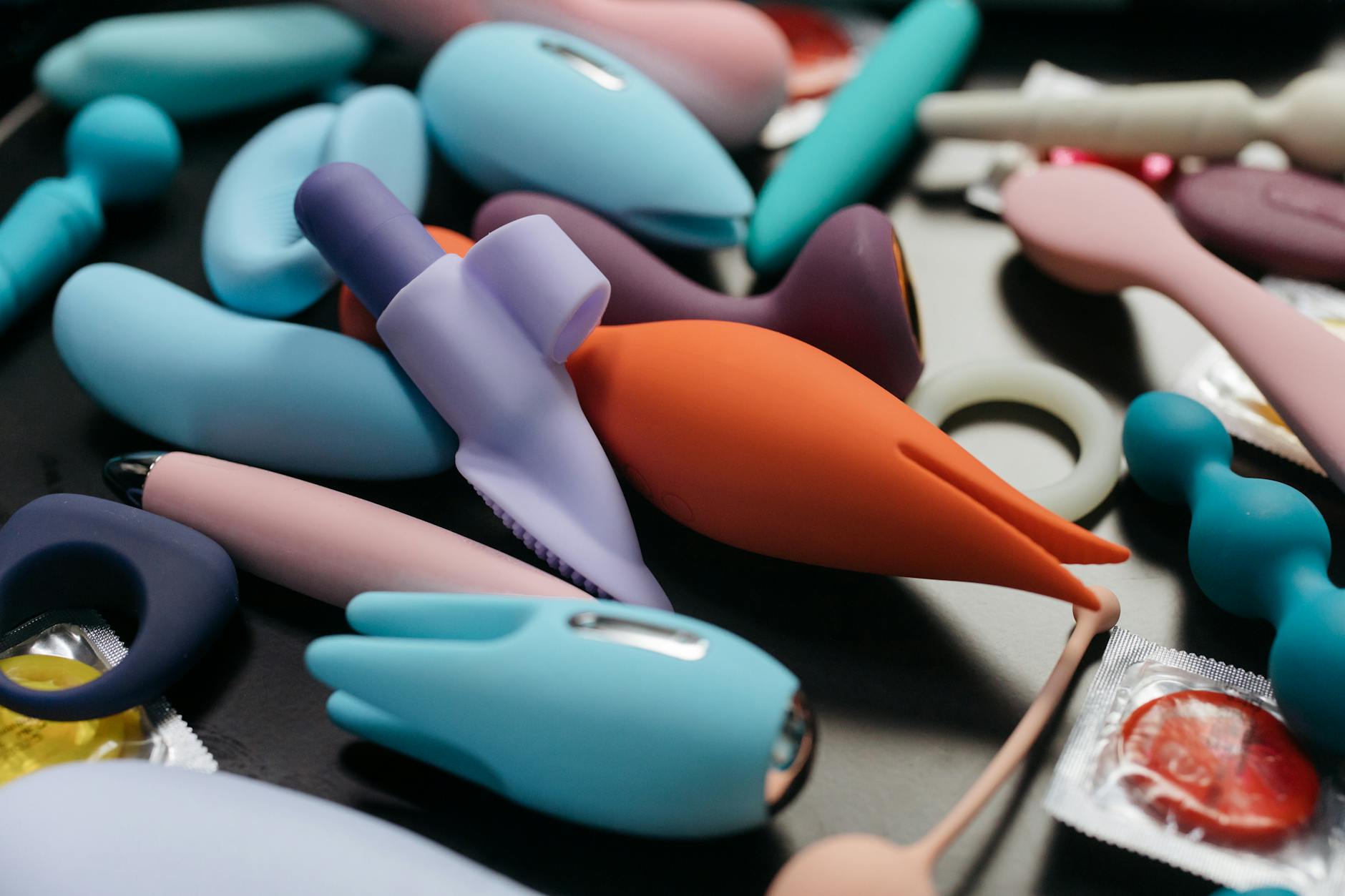
Here's the thing about sexual confidence
Most people think confidence arrives after partnered sex feels good. They've got it backwards. Confidence actually comes first. It builds quietly, in private, through solo exploration that teaches you what your body actually responds to. Then partnered sex becomes something you choose from a place of knowing, not from a place of guessing.
I work with couples where one partner has never explored pleasure alone. The pattern is always the same. They show up to partnered sex hoping their partner will somehow know what feels good, get frustrated when it doesn't happen instantly, and then assume they're broken or "not that into it." Usually they're just inexperienced with themselves. That's fixable.
Why solo exploration matters before partnership
Your body has a language. Rhythm, pressure, speed, the exact angle of stimulation, how long warm-up takes. None of that is obvious from the outside. A partner who cares about your pleasure wants this information. They want you to have already explored it.
When you spend time with a clitoral vibrator like the Lemon, you're collecting data. You learn what pattern makes you gasp. Whether you want constant rhythm or variation. How sensitive you are on different days. Whether the suction-style stimulation of a lemon vibrator feels better than direct vibration. These specifics matter because they're the difference between mediocre and genuinely satisfying sex.
There's also something else happening neurologically. Every time you experience pleasure alone, you're strengthening the neural pathways that lead to arousal and orgasm. You're teaching your nervous system that pleasure is available to you. That's not a small thing. Some people grow up with the message, spoken or not, that their pleasure isn't a priority. Solo exploration actively rewires that belief.
Starting with a lemon vibrator specifically
Why start with a lemon clitoral vibrator instead of something else. The Lemon is designed with suction, not just vibration. That means the sensation is gentler, more diffuse. For someone building confidence, that's valuable because it's forgiving. You're less likely to over-stimulate or hit a nerve ending wrong.
Start on the lowest setting. Set a time when you won't be interrupted. Phone on silent, door locked, whatever you need to feel genuinely private. Pressure to perform, even for yourself, kills the exploration.
Warm yourself up first. This is important. Five to ten minutes of touch without the vibrator. Slow, no goal, just noticing sensation. Then turn on the device at setting one and spend time on that alone. Some people want to jump to higher intensities. Don't. The goal here isn't the fastest orgasm. It's familiarity.
Over multiple sessions, try different patterns. Notice which ones make your breath change. Which ones create a pulling sensation deeper in your body versus surface tingling. Whether you prefer consistent rhythm or variation. This is information you're gathering for yourself, not performing for anyone.
Building the confidence piece
This is the part most guides skip. Using a lemon vibrator isn't just a technical skill. It's about shifting your relationship to your own pleasure from optional to non-negotiable.
Every time you explore solo and discover something that feels good, you're sending a message to your nervous system. "My pleasure matters. I'm worth time. I'm worth attention." That message shows up in your body language, your eye contact, the way you communicate desire. Partners feel it.
I've seen people transform partnered sex by basically saying "I've been exploring what I like solo and I want to share that with you." That statement does something remarkable. It shifts power. You're not asking permission or hoping your partner figures you out. You're offering information from a place of having already done the work.
Start keeping mental notes. What pattern made you lose your breath. Whether you came or didn't and why that felt okay. Whether you prefer longer sessions or shorter, intense ones. The confidence isn't just "I know how to use a vibrator." It's "I know myself, and here's what I'm bringing to this."
When to introduce this to a conversation with a partner
Timing matters. If you're already with someone, don't lead with "I've been exploring with a vibrator." Instead, let your increased comfort with your own body speak first. Then when there's a natural opening (usually during or after a conversation about wanting to improve intimacy), you can say something like "I've been spending time learning what I respond to and I'd like us to explore some of that together."
This is genuinely different than saying "we should get a toy." It's saying "I've been doing work on myself and here's what I found." Partners usually respond to that because it feels like an invitation, not a critique.
If you're single and building confidence before future partnership, you're essentially creating a template. This is what good feels like for my body. This is my rhythm. A future partner will benefit from the clarity you're creating now.
The practical confidence shifts
After consistent solo exploration with a lemon vibrator, most people notice these changes within a few weeks:
You stop guessing during partnered sex. Instead of hoping for cues, you can actually say "a little more to the left" or "that rhythm again." Specificity kills awkwardness.
Orgasms feel more accessible. Because you've taught your body what the path feels like, partnered stimulation feels like a clearer route. You're not starting from zero every time.
You feel less dependent on external validation for pleasure. This is huge for relationship health. When your worth isn't riding on whether your partner can make you come, there's less resentment and more actual intimacy.
You show up more present. When you're not anxious about whether something will feel good, you can actually be in the experience instead of narrating it in your head.
A note on fantasy and exploration
Solo time is also space to explore what actually turns you on without judgment. Fantasy during solo exploration isn't a referendum on your relationship or what you want from a partner. It's how your brain works. You might find that a particular scenario or thought pattern supports arousal. That's useful information. You don't necessarily need to share it or act on it. But knowing it exists, knowing your brain works that way, removes shame. And removing shame is how confidence builds.
Moving into partnered exploration
Once you've spent some time exploring alone, bringing that into partnership becomes a conversation, not a confession. "I've been learning what I like. Want to explore together." Some partners want to watch. Some want to participate. Some want you to walk them through what you've discovered. All of those are fine.
The confidence piece is that you already know the answer before you ask. You're not hoping your partner magically knows your body better than you do. You're inviting them into something you've already started mapping.
This changes everything about how partnered sex feels. You're not performing. You're not guessing. You're not waiting to be figured out. You're collaborating from a place of knowing. That's how sustainable, satisfying partnered pleasure actually builds.
FAQ
How long should I spend exploring solo before introducing this to a partner?
There's no fixed timeline. Some people feel ready after two weeks of regular exploration. Others take months. The marker isn't time. It's when you feel genuinely comfortable with what you've learned and excited to share it, not anxious or performative about it.
What if I feel guilty taking time for solo pleasure when I have a partner?
That guilt usually comes from old messaging about sex being something you do for or with someone else, not for yourself. Solo exploration isn't cheating or selfish. It's self-knowledge. Your partner benefits from it because you show up more confident and clear about what feels good.
Is it weird to use a lemon vibrator if I've never had an orgasm before?
Not at all. For some people, a clitoral vibrator like the Lemon is actually the easiest pathway to first orgasm because the suction style is forgiving and the sensation is sustained. Approach it without pressure. Exploration is the goal, not the orgasm itself.
Should I tell my partner I'm using a lemon vibrator if they haven't asked?
Depends on your relationship and your comfort level. If you have a healthy, open dynamic, mentioning it casually ("I've been exploring what I like") often leads to curiosity and connection. If your relationship has trust issues or he reacts poorly to the topic of pleasure, that's a different conversation and might be worth exploring with a therapist.
Can I build confidence this way if I'm planning to have partnered sex soon?
Yes. Even a few solo sessions give you useful information. You don't need months of solo exploration to benefit. But if you know partnered sex is happening in a week, prioritize the exploration now instead of waiting until afterward.
What if I explore solo and realize I don't like what I thought I would?
That's valuable information too. Preferences shift. What felt good at 25 might feel different at 35. What you thought you'd enjoy might feel boring or even uncomfortable in practice. All of that is useful feedback. Confidence includes knowing what you don't want as much as what you do.
Building sexual confidence before partnership isn't about being "ready enough." It's about knowing yourself well enough to show up as a full participant instead of a passenger. When you've explored alone with intention, partnered pleasure becomes something you're creating together instead of something you're hoping happens to you. That's when the real satisfaction starts.