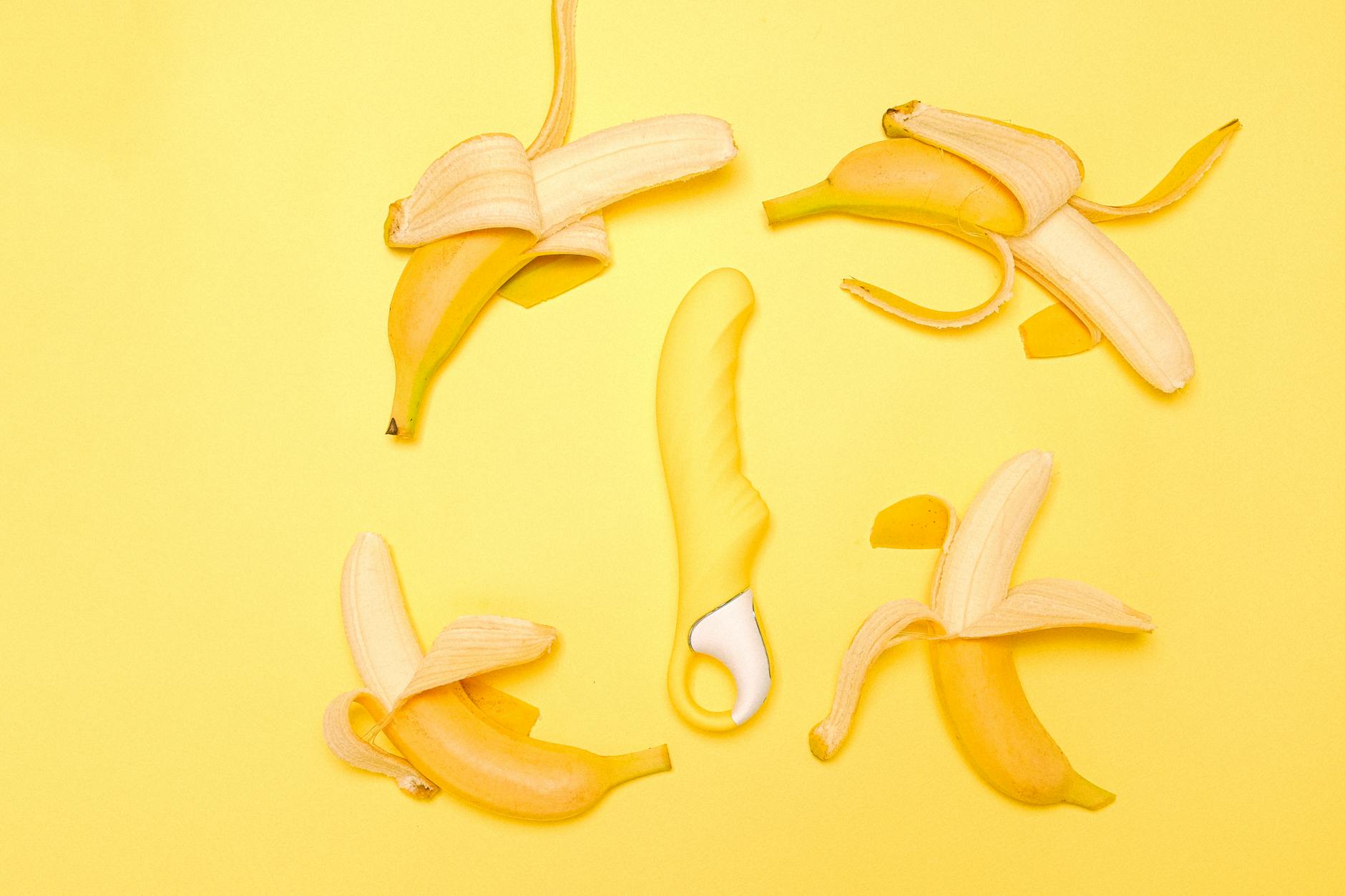
Let's talk about adaptation and why your body might need a change
If you've used a wand vibrator for years, your nervous system has learned its rhythm. That's not a bad thing. It's actually how pleasure works. But it also means your body has calibrated to that specific input. Sometimes that calibration reaches a plateau, and the same sensation that used to feel electric starts to feel like white noise.
This is where switching from a wand vibrator to a lemon clitoral vibrator changes everything. Not because one is objectively better, but because they work on completely different mechanics. Understanding that difference is the first step to rediscovering intensity.
The mechanics: vibration versus suction
Here's the thing about wand vibrators. They work through broad, rapid oscillation across a wider surface area. Think of it as thousands of tiny movements per second hitting your entire external anatomy at once. It's efficient, it reaches multiple nerve endings, and for a lot of people, it works beautifully.
Lemon clitoral vibrators, also called lemon suckers or air-suction devices, work differently. They create a pulse of gentle negative pressure directly over the clitoris. It's more like a rhythm than a tremor. Instead of movement happening across your tissue, the tissue itself is gently drawn upward in waves.
Your nervous system experiences these two inputs completely differently. A wand sends broad, dispersed stimulation. A lemon suction toy sends focused, concentrated pressure in a specific zone. After years on a wand, your clitoris has learned to anticipate broad input. It filters out smaller, more localized sensations as background noise.
When you introduce suction, you're essentially speaking a new language to your nerve endings.
Why this matters for sensation recovery
There's solid research on sensory adaptation. When your nervous system receives the same input repeatedly, the receptors responsible for detecting that sensation become less responsive. It's called habituation, and it's completely normal. Your brain is wired to notice change and ignore sameness.
This is why people sometimes report that their favorite toy "stops working" over time. It's not the toy. It's your nervous system's wisdom. It's learned the pattern and is asking for novelty.
Switching to a lemon clitoral vibrator resets that system. Your clitoris has never experienced suction in this specific rhythm and intensity profile. All those nerve endings wake up. You're not numb. You were just well-trained by repetition.
How suction engages different nerve pathways
Your clitoris contains roughly eight thousand nerve endings, most of them clustered in the glans. But these nerves don't all fire the same way. Some respond to sustained pressure. Some respond to rapid movement. Some respond to texture. Some respond to gentle pulling.
Wand vibrators activate the rapid-movement receptors very efficiently. Over time, those receptors habituate. The pressure and pulling receptors, though? If you haven't been using suction, those are relatively fresh territory.
Lemon sexual toys engage that pulling mechanism directly. The gentle rhythmic suction recruits nerve pathways that broad vibration rarely touches. You're essentially adding new sensory channels to your pleasure blueprint.
This is also why people often report that orgasms from suction feel different. They're frequently more localized, more intense in that specific zone, and sometimes arrive faster because you're hitting receptors that haven't been fatigued by years of repetition.
The transition period: what to expect
Let's be honest. If you're switching from a wand vibrator to a lemon clitoral vibrator, the first few sessions might feel weird, not amazing.
Your body is used to broad stimulation. Suction is concentrated and rhythmic. It might feel too intense at a lower setting or oddly subtle at a higher one. This is normal. You're building a new neural map.
I typically recommend starting with lower intensity settings, even if you could handle high intensity on a wand. Let your nervous system acclimate. Use it 2-3 times before judging. Many people find that by session three or four, something clicks and the sensation suddenly feels clear instead of confusing.
Also: suction works better with a bit of lubrication and with some arousal already present. A wand can work when you're barely warmed up. A lemon vibrator needs you to be at least somewhat engorged for the suction to feel good. This isn't a flaw. It's just a different contract with your body.
Why the switch often creates breakthrough orgasms
One of the most consistent reports I hear from people who switch to lemon clitoral vibrators after years on wands: orgasms feel more intense, arrive faster, or both.
This isn't coincidence. It's neurology.
When you reactivate nerve pathways that have been dormant, the sensation registers as novel and high-priority to your brain. Novelty drives arousal. Arousal drives intensity. If you've been on the same toy for three years, your orgasms might have become efficient and predictable. Boring, even. Switching to a lemon vibrator is like turning the contrast dial up on your nervous system.
Additionally, suction stimulates in a way that often creates more pronounced blood flow concentration in the clitoral area. A wand spreads arousal across a wider zone. Suction concentrates it. Concentration can equal intensity.
Many people also report that the orgasms from suction feel qualitatively different. More of a building release instead of a quick peak. Longer plateaus. Multiple smaller peaks instead of one big one. Again, this comes down to nerve recruitment. You're activating pathways you haven't used in this way before.
If you're in a relationship, here's what changes
If you've been using a wand solo for years and now you're introducing a lemon clitoral vibrator, the experience with a partner might shift too.
Wands are easier to integrate into partnered sex because they're shaped for simultaneous penetration and external stimulation. Lemon vibrators require more deliberate positioning and more attention to where you are in your cycle and arousal.
This actually creates an opportunity for deeper communication. You're not just adding a toy. You're fundamentally changing the script. That conversation, awkward as it might be, often leads to better intimacy overall because you're both relearning what works.
It also matters to mention: if you've been relying on a wand for years and it's worked well, there's a part of you that might worry about losing that security. You won't. A lemon clitoral vibrator isn't a replacement. It's an addition. You can absolutely still use your wand. But having both in rotation prevents habituation and keeps your nervous system engaged.
The science of novelty and pleasure
This is where I want to zoom out and talk about something bigger.
Pleasure thrives on novelty. Your brain literally processes new stimuli as more rewarding than familiar ones. This is why the first time you use a toy feels incredible, and after a hundred times it feels like maintenance. It's not that the toy got worse. It's that your brain is wired to prioritize the unfamiliar.
This is especially true for people in long-term relationships or long-term solo routines. The psychological and neurological benefit of switching things up isn't minor. It's one of the most underrated aspects of pleasure.
When you switch from a wand vibrator to a lemon clitoral vibrator, you're not just changing the toy. You're giving your nervous system permission to be surprised again. That surprise is part of the pleasure.
Making the switch practical
If you're ready to try it: start with lower settings and give yourself at least three uses before deciding if it's for you. Suction takes a different kind of focus than vibration. It requires a bit more presence. That's a feature, not a bug.
Use lube. Water-based is safest for silicone toys. The suction works better with a light layer of moisture.
Timing matters too. Suction works best when there's already some engorgement happening. Give yourself longer arousal time than you might with a wand. Think 15-20 minutes of buildup instead of 5.
Finally, if you've been using the same wand toy for years and you're starting to feel like pleasure is becoming routine, this switch might be exactly what you need. Your body isn't broken. It's just well-trained. Time for a new skill.
Frequently asked questions
Will switching to a lemon clitoral vibrator feel weaker than my wand?
Not weaker, different. Initial impressions often confuse "different" with "less intense." But after your nervous system adapts, most people report suction feels more concentrated and localized. That concentration often reads as more powerful even at similar intensity settings. Give it three uses before judging.
Can I use lemon vibrators and wand vibrators in the same session?
Absolutely. Many people alternate between them. Start with the lemon vibrator, use it for a few minutes, then switch to the wand if you want to push toward orgasm. This actually helps prevent habituation because your nervous system stays surprised. Just remember: once you switch toys, your arousal state changes slightly, so don't compare sensations directly.
What if suction feels uncomfortable at first?
That's usually a sign you're not aroused enough yet or there's not enough lubrication. Try using the lower intensity settings exclusively for the first week. Your tissues also need time to adjust to the sensation. It's not painful discomfort, but it can feel strange. If it continues to feel actually painful, lower the intensity further or check that you're using adequate lube.
How long does it take to "get used to" a lemon vibrator after wand use?
Most people notice the shift by session three or four. Some feel it immediately. A few take a week or two. Your nervous system's timeline depends on how long you've been using the wand (longer use = longer adaptation period) and how sensitive your baseline is. Be patient with yourself.
Will using a lemon vibrator damage my ability to orgasm from other stimulation?
No. In fact, the opposite is more common. Adding novelty often improves your overall responsiveness across the board. Your nervous system becomes more engaged, not more dependent on one specific input. Just make sure you're rotating toys rather than fixating on the new one exclusively.
Why do lemon clitoral vibrators feel better for some people after years of wand use?
Adaptation and novelty drive a lot of it. When your nervous system has learned a pattern, new input feels more rewarding. Additionally, suction recruits different nerve pathways than broad vibration. If you've fatigued your rapid-movement receptors with wand use, suction activates pressure and pulling receptors that may feel fresher. It's not magic. It's neurology.
The bigger picture
Switching from a wand vibrator to a lemon clitoral vibrator isn't about one being better than the other. It's about understanding how your nervous system works and using that knowledge to keep pleasure alive and evolving.
Your body is adaptive and intelligent. It learns patterns, builds efficiency, and sometimes gets bored. That boredom isn't a flaw. It's your nervous system asking you to pay attention again.
If you're considering this switch, you're already paying attention. That awareness is half the work. The rest is just letting yourself be surprised by what your body can still feel.