Here's the uncomfortable part nobody explains
Your lemon vibrator used to feel amazing. Then something shifted. Maybe the intensity feels too sharp now, or you're not building sensation the way you used to, or it takes longer to get there. Your first thought: the toy is broken or your body stopped responding.
Neither is true. Your hormones changed, and lemon vibrators feel different when they do.
What hormones actually do to sensation
Estrogen and testosterone don't just regulate your cycle. They shape blood flow, tissue elasticity, and how quickly your nervous system fires when stimulated. When hormone levels drop—during perimenopause, after birth control changes, or in response to stress—those physical properties shift fast.
Here's what changes specifically:
Tissue thickness: Estrogen keeps vaginal and vulvar tissue plump and flexible. When it drops, tissue gets thinner. That means sensations feel sharper or more concentrated because there's less cushioning between the surface and your nerves.
Lubrication: Less estrogen equals less natural lubrication. A lemon vibrator or any clitoral vibrator needs some slip to feel pleasurable rather than abrasive.
Blood flow: Testosterone drives blood rush to your genitals during arousal. Lower testosterone means slower engorgement, which can feel like reduced sensation or longer warm-up time.
Pelvic floor tension: Estrogen helps your pelvic floor stay relaxed and flexible. Without it, those muscles tense more easily, which can make intense vibration feel overwhelming instead of amazing.
None of this means you've lost capacity for pleasure. It means the texture of pleasure changed.
Why lemon vibrators specifically feel the shift
Lemon clitoral vibrators and air-pulse toys work by creating suction or rhythmic pressure directly on the clitoris. They're incredibly effective, but they're also intense. When hormone levels were higher and tissue thicker, that intensity felt focused and satisfying. When hormones shift, the same intensity can feel too sharp or even slightly painful.
It's not the toy. It's that your nervous system's tolerance for concentrated stimulation changed.
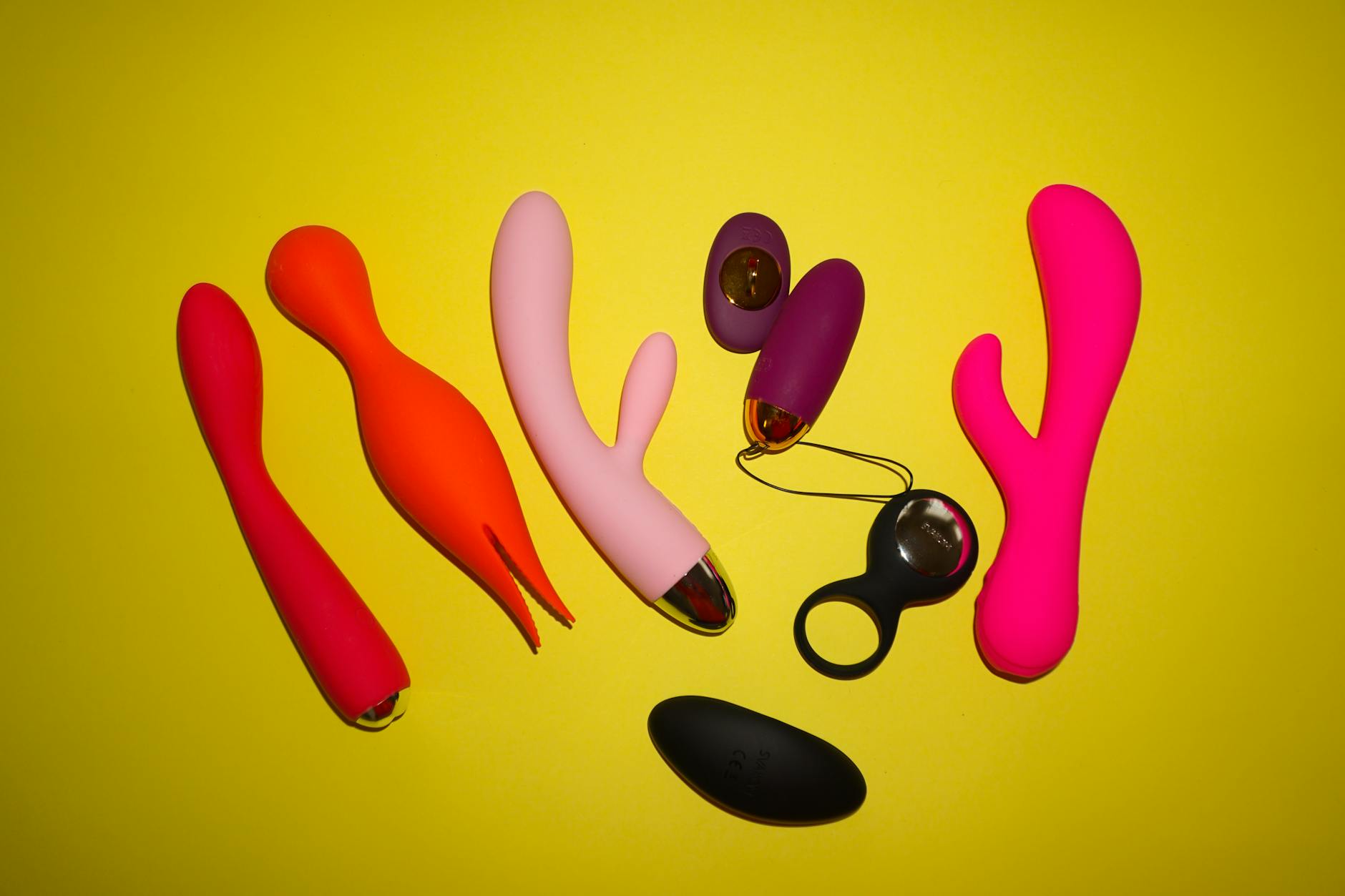
Photo by FounderTips on Pexels
The good news: this is totally workable. You don't need a new toy. You need a new relationship with the one you have.
How to recalibrate with your lemon vibrator
Start two intensity levels lower than you used to. If you were running a lemon sucker on level 4 or 5, begin at level 2 and spend time there. Your nervous system needs to reorient to what pleasure feels like at this new baseline. This usually takes 3-5 sessions before your brain stops expecting the old intensity and relaxes into the new one.
Add lubrication, always. Even if you're self-lubricating fine, add water-based lube. It creates a buffer between thin tissue and the intense pressure of a lemon clitoral vibrator, which transforms the sensation from sharp to smooth. Your body isn't broken if natural lubrication alone doesn't feel like enough anymore.
Extend warm-up time. Slower arousal isn't a bad sign. It's an invitation to spend more time in the build-up phase, where sensations layer more naturally. Many people report that this extended warm-up actually creates more intense orgasms, not less.
Use indirect stimulation first. Instead of placing your lemon vibrator directly on the clitoris, stimulate around it—the inner labia, the clitoral hood, the sides. This builds sensation without the concentrated intensity. Move toward direct contact only when you're already aroused.
Check your pelvic floor. Before using a lemon vibrator, lie down and consciously relax your pelvic floor muscles. If you don't know what that feels like, breathe deeply and imagine the sensation of stopping the flow of urine mid-stream, then releasing fully. That release is what you're aiming for. Tense pelvic floor plus intense vibration equals discomfort.
The pleasure paradox after hormonal shifts
Here's what I see happen clinically, over and over: people adjust their lemon vibrator routine to these new parameters, and then they report something unexpected. Orgasms feel different, yes. But often they report them as more localized, more intense, and more satisfying than before.
Why? Because you've slowed down enough to actually feel what's happening. Instead of chasing the same rushing intensity, you're building sensation deliberately. That's not a downgrade. That's a different flavor of pleasure—and for many people, a better one.
Some partners also find that this transition period creates an opportunity to reconnect. Sex that was routine or fast can become exploratory again. You're both learning how your body responds now. That vulnerability, honestly, often reignites things.
When to seek help beyond recalibration
If pain appears during or after using your lemon clitoral vibrator, stop and get checked. Pain isn't something to push through. Genitourinary syndrome (tissue thinning and dryness severe enough to cause discomfort) is treatable, often with topical estrogen or vaginal moisturizers that address the root cause.
If desire has completely vanished, that's also worth investigating with a doctor. Hormonal shifts sometimes involve more than just estrogen—thyroid changes, vitamin deficiencies, or medication side effects can tank desire. None of these are permanent.
If you're using a lemon vibrator and experiencing numbness or no sensation at all even with adjustments, that's worth a conversation with a healthcare provider too. Nerve damage is rare, but it's worth ruling out.
FAQ: Lemon Vibrators and Hormonal Changes
Why does my lemon vibrator hurt now when it never did before?
Tissue thinning from hormonal shifts makes concentrated pressure feel sharper. Try using it on a lower setting, add water-based lubrication, and warm up longer before direct clitoral contact. If pain persists, see a healthcare provider to rule out genitourinary syndrome or other tissue changes.
Can I still have orgasms with hormonal changes using lemon clitoral vibrators?
Absolutely. Your orgasm capacity doesn't disappear. It changes shape. Many people find that with adjusted technique—lower intensity, longer warm-up, more lubrication—orgasms feel just as satisfying, sometimes more so because they're built more slowly and deliberately.
Should I switch from my lemon vibrator to something gentler?
Not necessarily. Recalibrate your settings and technique first. Many people keep using the same lemon sucker they loved, just in a new way. If after three weeks of adjustment it still doesn't feel right, yes, try something with gentler pressure. But most of the time, it's a settings issue, not a toy issue.
How long does it take to adjust to using lemon vibrators after hormone shifts?
Usually 3-5 sessions before your nervous system starts expecting the new baseline. Give yourself at least two weeks before deciding whether the adjustment is working. Your body needs time to recalibrate.
Is reduced sensitivity from hormonal changes permanent?
No. Sensitivity often normalizes with adjusted technique, lubrication, and sometimes with topical hormonal treatments if tissue thinning is severe. But even without treatment, your capacity for pleasure doesn't disappear—it just requires recalibration.
Why does my lemon clitoral vibrator feel different than my partner's experience with it?
Bodies respond differently based on hormonal profile, pelvic floor tension, arousal level, and individual nerve sensitivity. Your partner's experience with a lemon vibrator isn't a baseline for your own. What matters is what feels good for you right now, in your body, at this hormone level.
The bottom line
Your lemon vibrator isn't broken. Your hormones shifted, and that changes sensation in predictable ways. Lower intensity, more lubrication, longer warm-up, and pelvic floor awareness usually recalibrate the experience completely. If those adjustments don't help after two weeks, or if pain appears, talk to a healthcare provider.
But honestly? Most of the time, the adjustment works. And when it does, a lot of people report that their pleasure actually deepens. You're learning your body again. That's not a loss. That's an opportunity.
If you're navigating relationship shifts alongside these changes, talking openly with your partner helps enormously. These aren't conversations about whether your body is broken. They're conversations about how you both want to explore pleasure together right now. Those are always worth having.
For more practical guidance on using lemon vibrators with your specific setup, check out our resources on how to use lemon clitoral vibrators, and don't hesitate to reach out if you have questions. Your pleasure matters, and recalibration is absolutely worth the effort.