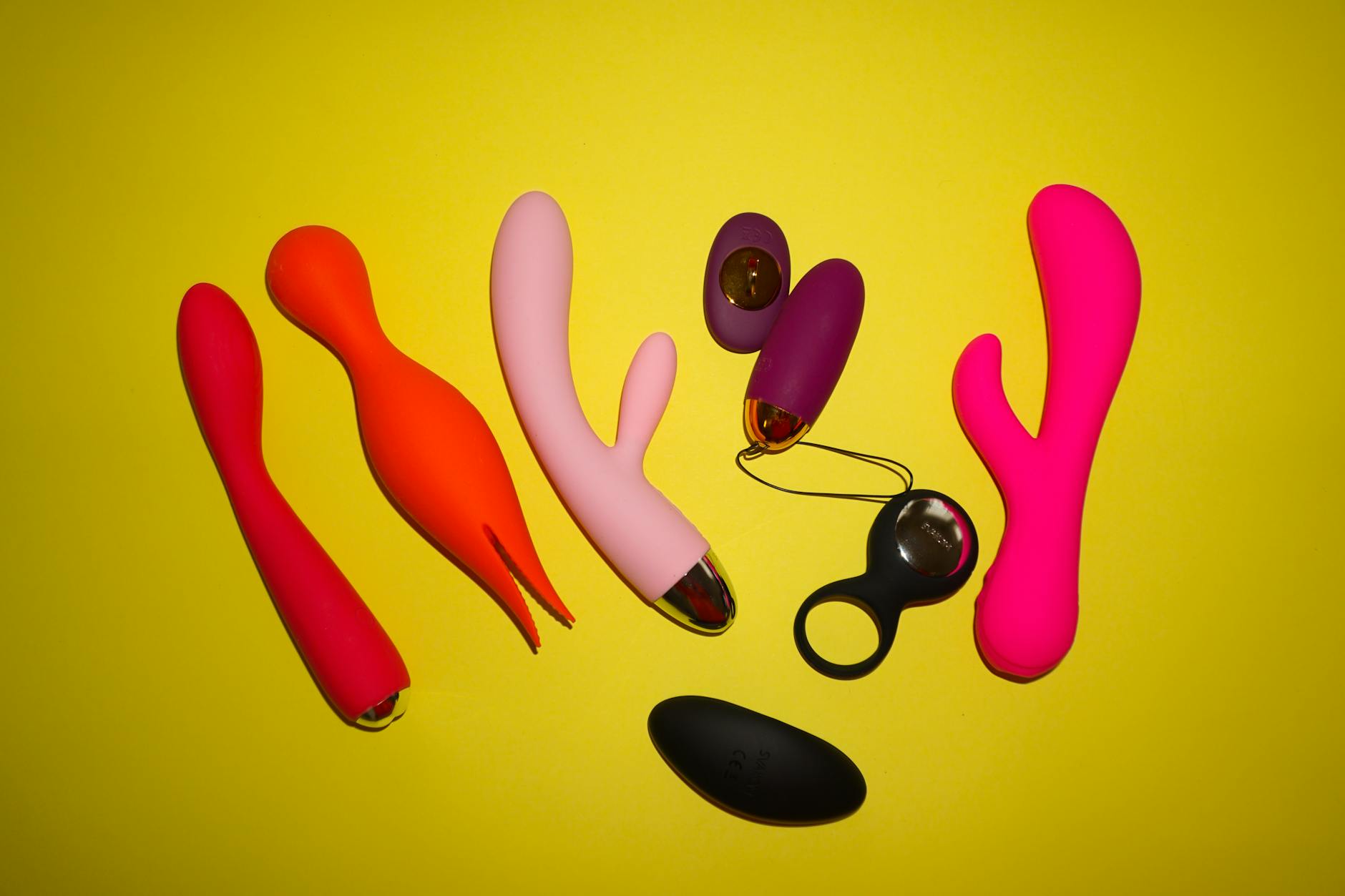
Here's the thing: silicone allergies exist, and no one talks about them
You're not imagining the irritation. Real people have real sensitivities to silicone, and the sex toy industry's blanket claim that "silicone is hypoallergenic" isn't the whole story. What feels fine for one person can trigger itching, redness, or contact dermatitis in another. The good news: you have options, and they're better than you think.
If you're shopping for lemon vibrators and worried about allergic reactions or skin sensitivity, this is the angle no one explains. Let's fix that.
Why silicone sensitivities happen more than you'd think
Silicone is chemically inert, which means it doesn't react with your body tissue the way latex or rubber might. But silicone as a raw material isn't the problem. The issue is what manufacturers add to it during production. Plasticizers, pigments, fillers, and curing agents can all trigger sensitivity in susceptible people, especially if the silicone is lower quality or poorly processed.
A 2018 review in the Journal of Sexual Medicine found that contact dermatitis from sex toys is more common than previously reported, and it's often not the base material but the additives. Some people react to medical-grade silicone. Others develop sensitivity after repeated exposure. A few are sensitive from the start.
The other culprit? Phthalates. If a toy is made from anything other than pure silicone (PVC, jelly rubber, cyberskin), it likely contains phthalates to make it soft and flexible. These chemicals leach out with heat and moisture, which is exactly the environment inside your body. They're banned in some countries and unregulated in others.
The material pyramid: what's actually safe
Medical-grade silicone (the safest tier)
This is silicone that's undergone strict biocompatibility testing and contains no phthalates or heavy fillers. It's what medical implants are made from. It's expensive, which is why cheaper toys skip it.
If you're buying lemon clitoral vibrators, medical-grade silicone should be your baseline. Shop Lemon Sexual Toy manufactures in medical-grade silicone, which means the material has been tested for skin compatibility.
Borosilicate glass (excellent for sensitive skin)
Glass toys are inert, non-porous, and completely hypoallergenic. They don't absorb bacteria, don't contain additives, and don't degrade. The downside: they're heavier, colder to the touch, and can break if dropped. They're also not as widely available for lemon sucker-style toys, which work best with flexible materials.
Stainless steel (another solid option)
Food-grade or surgical stainless steel is hypoallergenic, non-porous, and durable. It warms to body temperature quickly and feels luxe. Sensitivity is virtually nonexistent. Again, less common in the clitoral vibrator market because metal doesn't suit the suction technology that makes lemon vibrators unique.
Thermoplastic elastomer or TPE (hit or miss)
TPE is sometimes marketed as "silicone alternative" but it's not silicone. It's a blend of plastic and rubber that's softer than silicone but degrades faster and often contains phthalates. If a toy is marketed as silicone and costs under $30, it's probably TPE.
What to avoid entirely
Don't buy anything labeled "jelly," "rubber," "cyberskin," or "skin-like." These materials leach chemicals, smell weird, and are impossible to clean properly. They're also a common source of allergic reactions and yeast infections.
The real test: patch testing before full use
Even medical-grade silicone can trigger sensitivity in rare cases. Before you commit to a toy, here's how to know if you'll react.
Wash the toy thoroughly with warm soap and water, then let it air dry for 24 hours. Apply it to the inside of your arm (somewhere you can see it easily) for 20 minutes. Don't use any lubricant. If there's no itching, redness, or sensation of burning after 20 minutes, move to the next step.
Wait 4 hours. Check again. If you're still clear, try it on a small area of your vulva. Again, no lube, just 20 minutes. Many sensitivities don't show up immediately; they develop over hours.
If you make it 12 hours with no reaction, you're almost certainly safe to use the toy normally. That said, if irritation develops after a few uses, it could mean your skin is reacting to the material itself, or it could mean you need more lubrication or less friction.
Lube matters more than you think
Lubricant reduces friction, which protects sensitive skin from both mechanical irritation and chemical exposure. If your skin is sensitive, use lube even if you think you don't need it.
Water-based lubes are safest for sensitive skin because they're easily formulated without additives that trigger reactions. Silicone-based lubes are fine with non-silicone toys (glass, stainless steel), but they degrade silicone over time. Oil-based lubes can trap bacteria and are hard to clean off.
If water-based lube irritates you, you might be sensitive to glycerin or preservatives. Brands like Good Clean Love and Sliquid make glycerin-free, paraben-free options specifically for reactive skin. Yes, they're pricier. Your vulva is worth it.
How to choose lemon vibrators when you have sensitivities
Ask the brand directly. Not "Is this silicone safe?" but "Is this medical-grade silicone, and does it contain phthalates or plasticizers?" A brand that knows its material will answer. One that dodges is a red flag.
Look for certification. Some manufacturers submit their toys for biocompatibility testing through third parties like SGS or TÜV. It costs them money, which is why budget brands don't do it. If a toy shows a certification badge, that's legitimacy.
Check the cleaning instructions. If the toy can't go in boiling water or the dishwasher, it's not medical-grade. Medical-grade silicone tolerates heat; cheap silicone breaks down. Boilability is a proxy for quality.
Buy from brands with a reputation. Shop Lemon Sexual Toy, for instance, uses medical-grade silicone across their lemon clitoral vibrator line. They're transparent about materials. That transparency matters.
What to do if you're already reacting
If you've used a toy and developed redness, itching, or unusual discharge, stop using it immediately. Wash the affected area with cool water and mild soap. Don't use douches or scented products; they'll make it worse.
If irritation persists past a few hours, apply a thin layer of plain moisturizer or hydrocortisone cream (1%) to calm inflammation. If it's still there after 48 hours, see a gynecologist. It could be contact dermatitis, but it could also be an infection that needs treatment.
Don't assume you're allergic to all silicone toys. You might be reacting to one specific brand's additive formula. Some people react to one toy and not another, even if both claim to be silicone. It's frustrating, but it's real.
The budget question: can you get safe without spending $100?
Yes, but not often. Medical-grade manufacturing costs money. A truly body-safe vibrator will cost $60 minimum. You can find cheaper silicone toys that won't harm most people, but if you have sensitive skin, you're paying for quality assurance. That's not a luxury; it's insurance against weeks of irritation.
Think of it this way: you wouldn't buy $15 mascara if you have sensitive eyes. Same principle.
FAQ: Your sensitivity questions, answered
Can you be allergic to silicone but not to other plastics?
Yes. Silicone sensitivity is usually a reaction to additives, not the base polymer. That means you could react to a silicone toy but be fine with stainless steel or glass, which contain no additives at all. If you're sensitive to silicone, glass or steel is often the safest pivot.
How do you know if it's the toy or something else causing irritation?
Timing. If irritation starts during or within a few hours of use and goes away when you stop, it's the toy. If it develops slowly over days or doesn't correlate with toy use, it's probably something else (condom latex, a partner's condom lubricant, soap residue, a yeast infection unrelated to the toy). A patch test before full use catches this early.
Is boiling a silicone toy actually safe?
Medical-grade silicone is designed to handle boiling. It's how hospitals sterilize silicone medical devices. If a toy manufacturer says "don't boil," they're essentially admitting it's not medical-grade. That doesn't mean the toy is dangerous, but it does mean it's a lower-grade material.
What about phthalate-free PVC toys? Are they safe?
Safer, yes. Safe enough? It depends on your skin reactivity. PVC, even without phthalates, can still leach other plasticizers. If you're sensitive, silicone (medical-grade), glass, or stainless steel are less risky bets.
Can you develop a sensitivity to a toy you've used for years without problems?
Rarely, but yes. Some people develop contact dermatitis after repeated exposure. It's your immune system slowly sensitizing to a chemical. If you've used a toy for years and suddenly react, it could mean your skin tolerance has changed, or the toy is degrading and leaching more additives.
Do expensive lemon sexual toys always use better materials?
Usually, but not always. Price reflects manufacturing quality, testing, and brand reputation as much as material. That said, if a lemon vibrator costs $200, they should be able to tell you exactly why. If they can't justify the price with transparency about materials and manufacturing, it's marketing hype.
The bottom line
Sensitive skin doesn't mean you can't use toys. It means you need to be intentional about what you buy and how you test it. Medical-grade silicone, boilability, and brand transparency are your markers of safety. Patch test before full use. Use lubricant. If you react, pivot to glass or stainless steel.
Your pleasure is the point here. Irritation isn't part of that. Do the homework, ask the questions, and buy from brands that have answers. You deserve toys that feel as good as they function.
Have more questions about finding the right toy for your skin? Get in touch with our team — we're here to help.