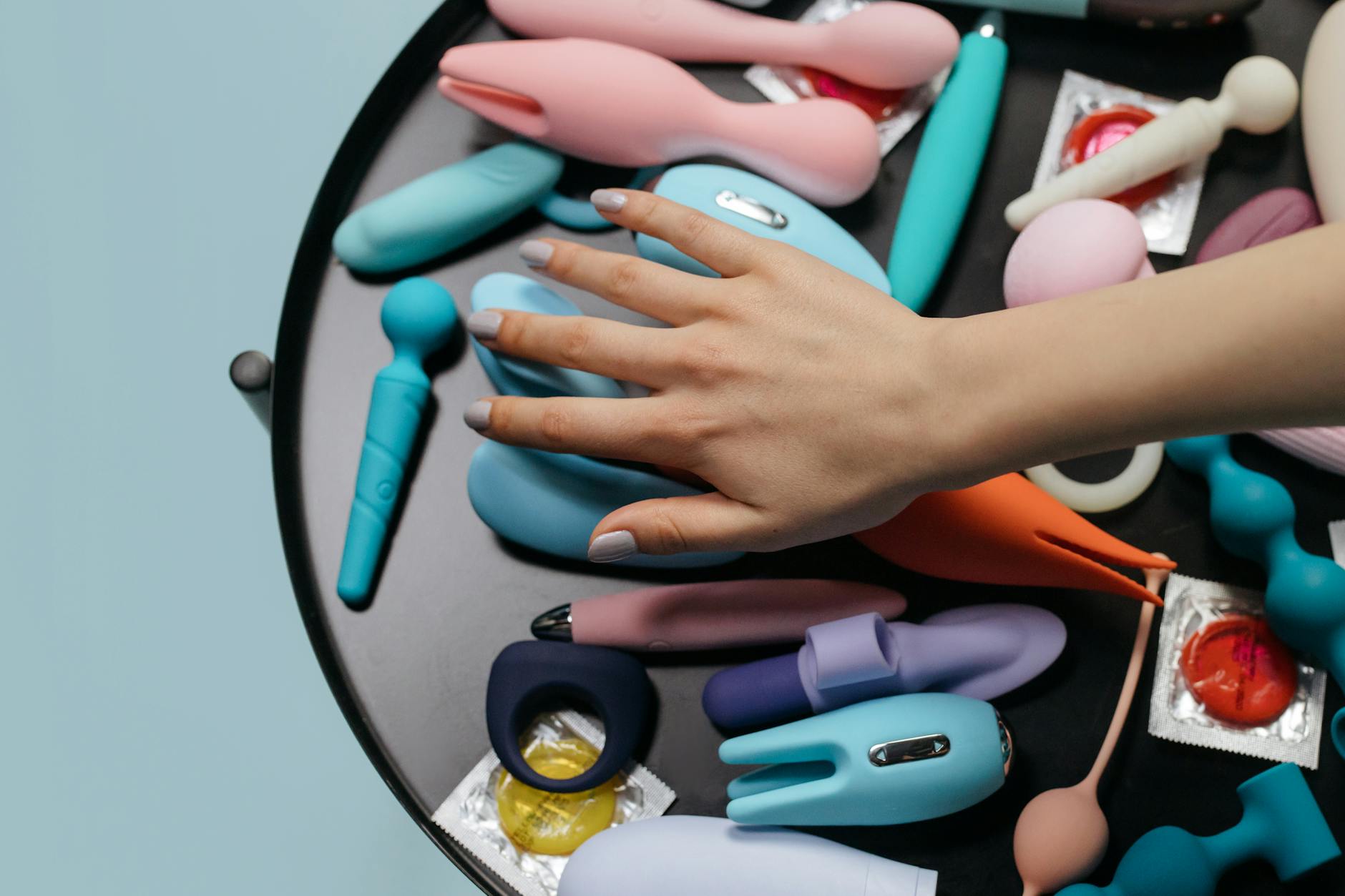
When partnership changes, your pleasure rewires too
Here's what nobody tells you: switching partners midlife doesn't just change the emotional landscape. It rewires how your body responds. A new person touches you differently. They read your signals at a different pace. The vulnerability of starting over physically is real, and it's not something you can logic away. Many of my clients describe this as feeling like they've lost access to their own pleasure, when actually what's happened is their pleasure patterns need to recalibrate to a different body in the room.
This is where lemon vibrators become genuinely useful. Not as a replacement for connection, but as a bridge back to knowing your own body when everything feels uncertain.
Why your body responds differently with a new partner
When you've been with someone for years, your nervous system knows what to expect. Your body learns their rhythm, their pressure, their timing. You develop what therapists call "choreography." Then a new partner arrives, and that choreography breaks. Your nervous system is back in learning mode, which means arousal often takes longer, touch that felt amazing before now feels too fast, and you might find yourself unable to orgasm even in situations that would have worked fine in your previous relationship.
This isn't dysfunction. This is your body being protective while it figures out if it's safe to let go with this new person.
Three things shift physiologically when you're with someone new:
1. Touch calibration resets. Your body doesn't know this person's baseline pressure yet. What felt right with one partner might be too soft or too rough with another. Your nervous system is hyperaware, which can make you less responsive overall.
2. Trust rebuilds slowly. Even if you trust this person intellectually, your body runs on a different timeline. Deep arousal requires nervous system trust, which takes months, not weeks. Meanwhile, you're trying to have normal sex while your body is still running threat detection.
3. Old pleasure pathways need retraining. If your previous partner preferred penetration and this one prefers clitoral focus (or vice versa), your nervous system has to rewire its expectations. That takes deliberate practice, not just hoping it'll happen naturally.
Lemon clitoral vibrators help because they give you a consistent, non-variable stimulus while your nervous system is in transition. You control the pressure, the pattern, the rhythm. Your new partner doesn't have to guess. Your body doesn't have to wonder.
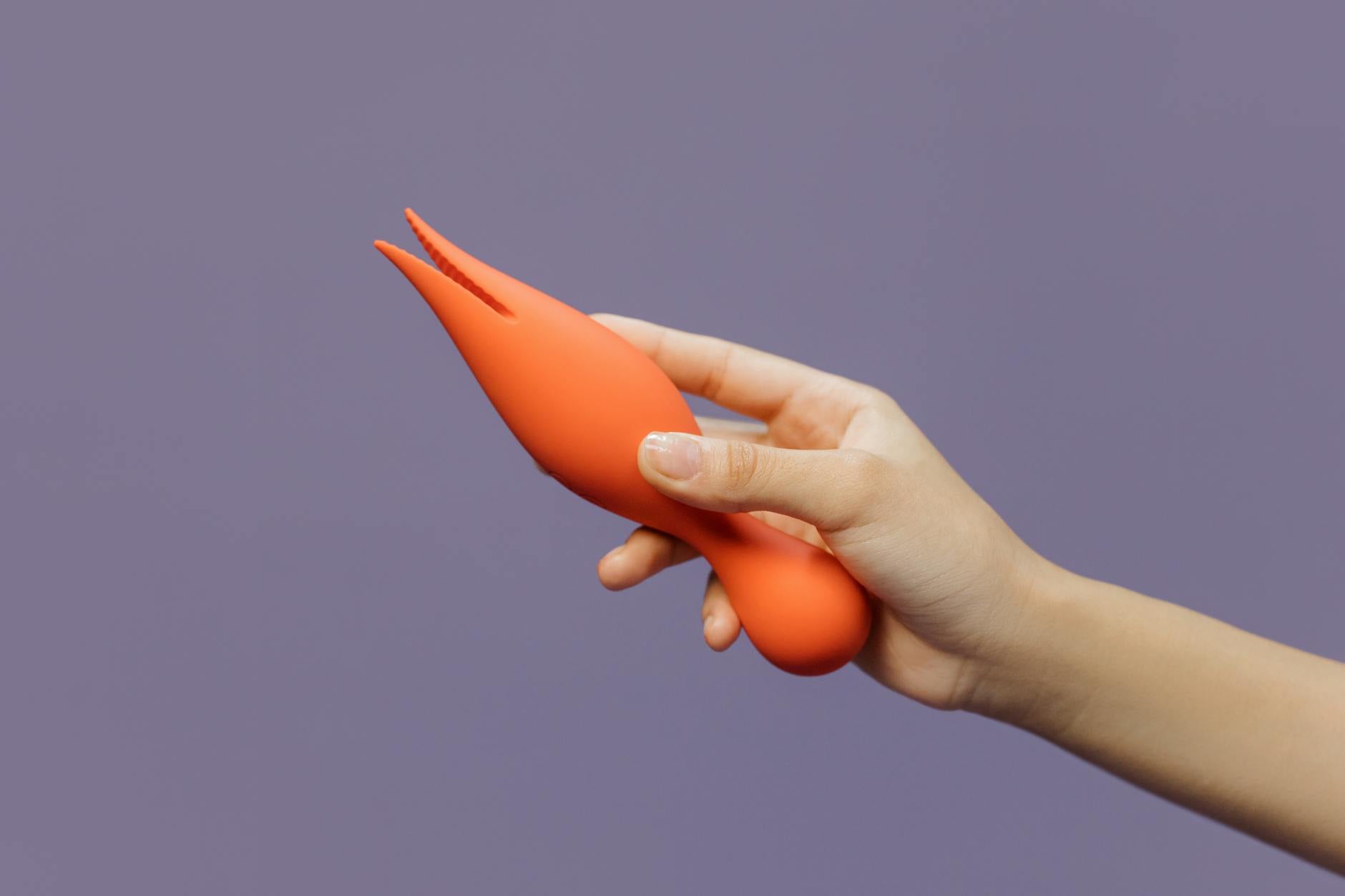
Photo by cottonbro studio on Pexels
The specific ways lemon vibrators rebuild confidence
When you start over with a new partner, pleasure becomes tangled up with performance anxiety. You might worry: "Will I be able to come?" "Am I taking too long?" "Does my body work differently now?" These thoughts kill arousal faster than anything else. A lemon suction vibrator interrupts that spiral because it gives you independent proof that your body still works the way it's supposed to.
This matters more than it sounds. One of my clients described it as "reclaiming ownership." She spent three months unable to orgasm with her new partner, which made sex feel stressful rather than fun. When she started using a lemon vibrator solo beforehand, she reset her nervous system's understanding of her own responsiveness. Within a few weeks, that confidence translated into better connection with her partner. She wasn't performing for him anymore. She was present.
Lemon vibrators do this in specific ways:
Suction mimics a different kind of touch. If your previous partner used a lot of direct finger or hand pressure, suction feels novel to your nervous system. This novelty can actually help because your body isn't comparing it to what came before. You're learning it fresh, which feels less loaded than "why doesn't my new partner know how to touch me yet?"
You control the intensity completely. With a new partner, intensity negotiation can feel awkward. "Can you be gentler?" "A little faster?" are conversations some people avoid because they don't want to criticize their partner's touch. A lemon vibrator removes that layer of negotiation. You're not managing anyone else's ego or technique. You're just exploring what works.
The pattern stays consistent. One of the hardest things about rebuilding arousal pathways with a new partner is that their touch is inherently unpredictable. Sometimes they press harder, sometimes softer. Sometimes they speed up when you wanted them to slow down. A lemon clitoral vibrator stays exactly the same, which lets your nervous system relax enough to build arousal without simultaneous threat detection.
How to use lemon vibrators in this transition
Here's the approach that works best for most people rebuilding after a partner switch:
Start with solo exploration first. Don't use a lemon vibrator to "fix" sex with your new partner right away. Use it alone for two to three weeks. This reestablishes your baseline understanding of what makes your body respond. You're not performing. You're not managing anyone else's feelings. You're just remembering your own signals.
When you introduce it with a partner, frame it clearly. Something simple: "I want to explore this with you" or "This helps me relax into pleasure faster." Don't position it as a criticism of them. Position it as something you're discovering together. If your partner is secure, they'll understand that your pleasure and their presence aren't in competition.
Use it during partnered sessions without apologizing. Some people feel awkward using a lemon vibrator during sex with a new partner. This hesitation comes from old narratives about what sex "should" look like. Ignore that. If a lemon suction vibrator helps you actually experience pleasure instead of performing it, your partner benefits too. Better presence beats "natural" every time.
Notice what patterns emerge. As you use a lemon vibrator in different contexts, you'll start seeing what rhythm your body prefers now. This information is gold. It tells you things to communicate to your new partner. "I like this pattern when I'm warm first" or "I need about ten minutes before intensity ramps up." Those conversations happen from a place of knowledge, not anxiety.
The emotional part: trust and pleasure take different timelines
One thing that trips people up is expecting emotional trust and physical responsiveness to move at the same pace. You might really like this new person, trust them completely with your heart, and still have your body take three months to actually relax during sex. This isn't a sign something's wrong. It's just how nervous systems work.
Physical safety (the kind your body needs to become aroused) has its own timeline. Your nervous system doesn't care what you've decided intellectually. It's running on years of pattern recognition from previous relationships. A lemon vibrator respects that timeline by giving you back some autonomy while you're learning this new partner's signals.
I also see people use clitoral vibrators as a way to practice vulnerability differently. Instead of managing their partner's feelings about sex, they get to just be in their own body. That shift in focus, from "how am I doing for them" to "what do I actually feel," often unlocks arousal faster than anything else. It's not the vibrator itself. It's what the vibrator permits you to do: stop performing and start feeling.
When to get a partner involved (and how)
Eventually, most people want their partner to participate in the experience. This is actually a healthy progression, and it doesn't mean abandoning the vibrator. Here's the realistic timeline:
Weeks one to three: solo use. Rebuild your own baseline.
Weeks four to six: introduce it during solo sessions, let your partner know you're using it, but keep it separate from partnered sex.
Weeks seven to eight: try incorporating it during partnered foreplay. Let your partner hold it, use it on you, or use it together. This builds intimacy around the tool instead of around anxiety.
After that: it becomes just another texture in your shared repertoire. No different than hands or mouth. It's part of your landscape.
Some people skip the early stages and jump straight to partner involvement. That works too if you're both confident. The timeline isn't rigid. What matters is that you're not pressuring yourself to be responsive faster than your nervous system allows.
Common questions about lemon vibrators and partner transitions
Will using a vibrator make it harder for my new partner to pleasure me?
No. Research and clinical experience both show the opposite. People who understand their own pleasure, who can show their partner what works, have more consistent orgasms than people who rely entirely on their partner to figure them out. A lemon vibrator teaches you your own patterns. That knowledge helps your partner.
How long does it usually take to feel responsive again with a new partner?
It depends, but most people report noticeable shifts by week six to eight. Some take longer if the previous relationship ended badly or if there's residual trust work to do. A lemon clitoral vibrator can compress that timeline because it gives you independent proof that your body works, which reduces anxiety. Anxiety is usually the main barrier, not physical dysfunction.
Is it weird if my new partner wants to watch me use a lemon vibrator solo?
Not weird at all. It's actually often a sign of a secure partner. Some people find it intimate and arousing to watch their partner experience pleasure solo. If your partner suggests this, it's usually a green light. If you're not comfortable, you can always decline, but it's worth noticing whether the hesitation comes from genuine boundary or from shame messaging about solo pleasure.
What if my new partner feels insecure about me using a vibrator?
This is worth a conversation, but the insecurity isn't about the vibrator. It's about something deeper: his sense of adequacy, past experiences, cultural messaging about what sex should look like. A lemon vibrator isn't the problem. His relationship with your pleasure is. That's something a couples therapist can help with if it becomes a real barrier.
Can I use a lemon vibrator if I'm still in early dating and not sure if this person is long-term?
Yes. You don't need to be exclusive to use a vibrator. You don't need to be committed long-term. Solo pleasure is your baseline right, regardless of your relationship status. Use what works for you.
How do I know if I need help from a therapist rather than just a vibrator?
If weeks pass and you still feel zero arousal, or if anxiety about your new partner shows up in other parts of your relationship too, a therapist who specializes in intimacy or relationship transitions can help. A lemon vibrator is a tool for rebuilding pleasure pathways. If the barrier is deeper (trauma, attachment injury, ongoing trust issues), therapy matters too. The two aren't either/or.
The real shift: pleasure as practice, not performance
When you switch partners midlife, there's often an underlying worry that your body won't work the way it used to. That you're less responsive. That something's broken. Usually none of that's true. What's true is that your nervous system is in a recalibration phase. It needs time and consistency to trust this new person. A lemon vibrator gives you both.
The deeper shift, though, is moving from performance to practice. Sex with a long-term partner often becomes a thing you do. Sex with a new partner can become a thing you explore. That shift in mindset, from"does this work" to "what does this feel like," changes everything. A lemon suction vibrator supports that exploration because it removes the pressure to come, to look good, to do it "right." You're just learning.
That's where real pleasure lives. Not in perfect technique or years of choreography. In presence, curiosity, and the willingness to be a beginner with your own body again.
Ready to explore your pleasure again
If you're navigating a new relationship and finding that your pleasure feels distant or unfamiliar, start with solo exploration. Give yourself permission to relearn your own responsiveness without an audience or an agenda. A lemon vibrator, like other clitoral vibrators, is a practical tool for that work. It's not a Band-Aid. It's a reset button.
For more on rebuilding intimacy after major relationship shifts, check out our guide on how lemon vibrators rebuild pleasure after relationship transitions.
Questions about what might work best for you? Get in touch with our team. We're here to help you figure out what fits your body and your life.