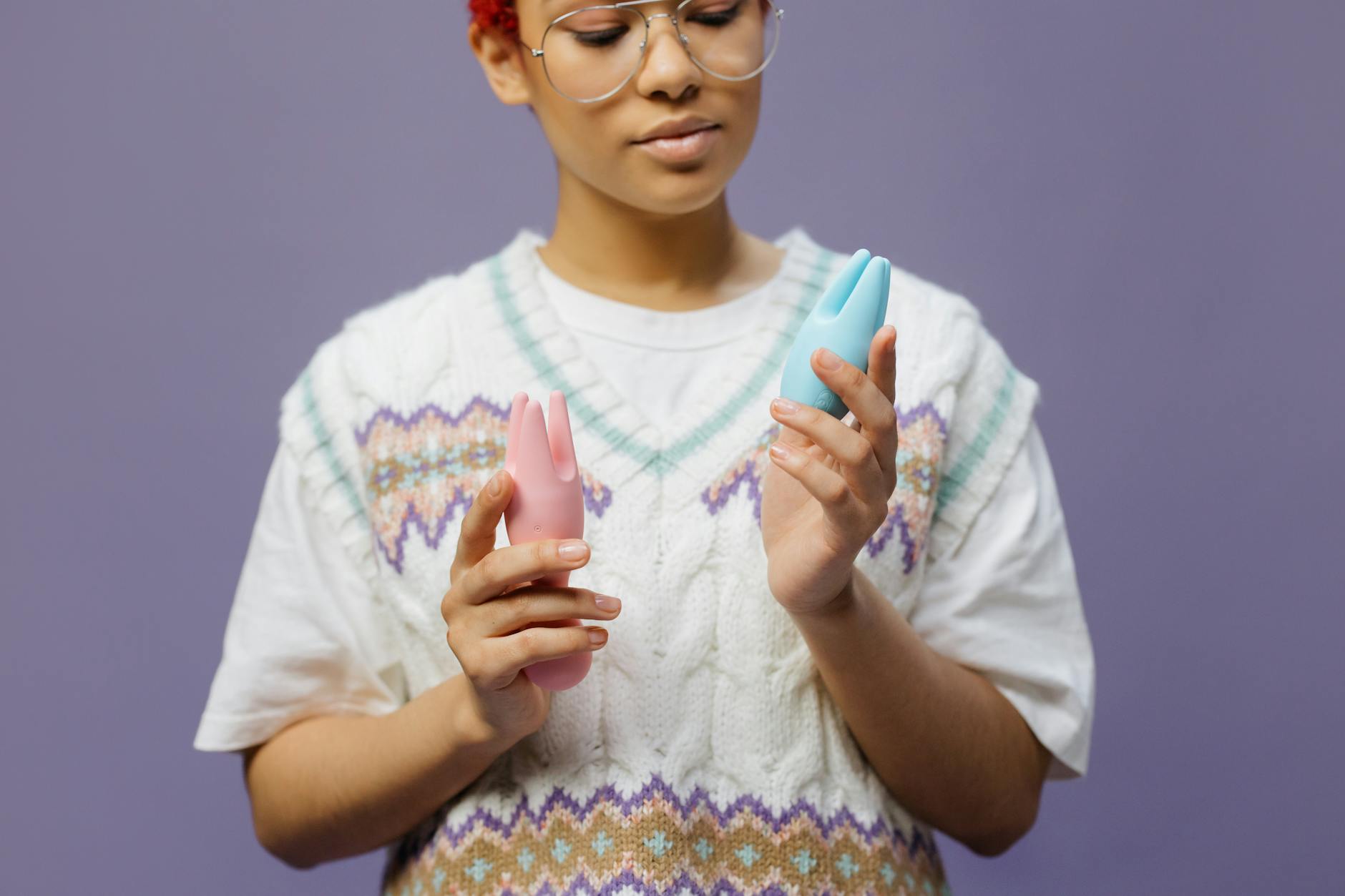
Here's the thing nobody talks about
Plenty of people produce a lot of natural lubrication. Your body isn't broken. In fact, a wet response is a sign your nervous system knows what it wants. But clitoral vibrators, especially efficient ones like those in the lemon sucker family, can feel slippery, hard to control, or even numb-inducing when there's too much wetness on the surface.
That doesn't mean you can't use lemon vibrators. It means you need a different approach.
Why excess lubrication changes the vibrator experience
When you use a lemon clitoral vibrator on thickly lubricated tissue, two things happen. First, the suction motion that usually feels targeted and intense can feel loose or unfocused. Second, the vibration itself travels differently through a wet surface, sometimes creating a muffled sensation instead of direct stimulation.
Neither of these is a problem with your body or the toy. It's just physics. The moisture creates a barrier between the vibrator's surface and the nerve endings doing the sensing.
Add hormonal factors. People using hormonal birth control, or those in their fertile window, or some folks with PCOS, can have consistently higher lubrication levels. If you're also taking antidepressants that increase genital blood flow, or if you're in a phase of your cycle where everything feels extra wet, that multiplies the effect. None of these are reasons to stop using clitoral vibrators. They're just reasons to shift your technique.
The towel method: simple and effective
Keep a soft, lint-free cloth or microfiber towel next to you before you start. Every 30 seconds to a minute, pause and gently pat the area dry. Not aggressively. Just enough to remove the surface moisture so the vibrator can make direct contact.
This sounds tedious. In practice, it's a two-second pause that actually intensifies the experience because you're choosing the moment to re-engage. Many people find this rhythm meditative. You're not rushing. You're building anticipation.
Use a towel that's soft enough for sensitive skin. Microfiber or flannel works better than terry cloth, which can feel rough. Wash it regularly with mild detergent and no fabric softener, which leaves a film that defeats the purpose.
Positioning shifts that reduce excess moisture contact
Where you position the lemon vibrator matters when you're working with a lot of natural lubrication. Instead of pressing it flat against the entire vulva, try angling it so the suction cup engages primarily with the clitoral hood or the upper portion of the clitoris. This reduces the surface area touching the wettest zone.
If you normally lie on your back, try a slight recline. Gravity helps fluids move away from the contact point. Or sit up more. The angle changes where the moisture pools and where the vibrator makes contact.
Don't underestimate positional variation. Small adjustments in hip angle, pelvic tilt, or how far back you're leaning can make the difference between a vibrator that feels too slippery and one that feels precisely right.
When to add external lubrication instead
Here's what seems counterintuitive but often works: sometimes adding silicone-based lubricant on top of natural lubrication actually improves the sensation with a lemon vibrator. Silicone lube is slicker and more stable than natural secretions. It creates a smooth, consistent glide that can feel better than fighting against thick discharge.
Silicone lube also reduces friction in a way that some people find makes the vibration clearer, not muffled. The toy glides more smoothly, which means less dragging sensation and more pure vibration reaching the nerves.
The catch: silicone lube doesn't work with silicone toys. Most vibrators, including lemon clitoral vibrators, are silicone. Silicone degrades silicone. So if you want to try this approach, stick with water-based lubrication, which is safe for all materials but evaporates faster, or use a barrier method.
Alternatively, some people with high natural lubrication find that a small amount of cornstarch-based body powder (not talc, which carries contamination risks, and not talc-free powder marketed as a lube reducer, which often contains irritating ingredients) creates a mild absorbent layer. This is controversial, so check with a gynecologist first if you have vulvovaginal concerns.
Timing it with your cycle
If your excess lubrication varies across your menstrual cycle, track it. Most people find that lubrication peaks around ovulation and during the luteal phase. If you have a predictable pattern, you might choose to use lemon vibrators on days when moisture is moderate, and save other techniques for peak-lubrication days.
This isn't about restricting yourself. It's about matching your tools to your body's state. Some days you want a suction-based clitoral vibrator. Other days, you might prefer the focused intensity of a different vibrator style, or direct hand stimulation, or partnered touch.
Hormonal birth control flattens these peaks. If you're on the pill or another hormonal method, your lubrication stays relatively consistent throughout the month, which actually makes it easier to develop a repeatable technique with lemon vibrators.
The sensitivity angle: does excess lubrication mean you're less sensitive?
Not even slightly. Excess natural lubrication is an independent variable from sensitivity. You can be incredibly sensitive and produce a lot of moisture. You can be less sensitive and produce very little. The wetness just changes how vibration travels through tissue, not whether you can feel it.
In fact, some people with high natural lubrication find that using lemon vibrators becomes more satisfying once they adjust their technique, because they discover they're actually more sensation-responsive than they thought. The slipperiness was the barrier, not the lubrication itself.
When to talk to a doctor
If you've had a sudden, dramatic change in how much you're lubricating, that's worth checking out. A shift could signal a hormonal change, a new medication side effect, or an infection. Most infections come with other symptoms (itch, odor, unusual color), but not always.
If you're experiencing pain, burning, or significant discomfort during or after using a vibrator, and you're lubricating heavily, that might signal a yeast overgrowth or other vaginal irritation. A quick call to your GP or gynecologist will give you peace of mind and a clear plan.
For reference, lemon vibrators are designed for comfort, and most people with excess natural lubrication can use them without any issue once they adjust their approach.
FAQ
Can I use a lemon vibrator if I have very heavy discharge?
Absolutely. Heavy discharge doesn't disqualify you from any vibrator type. You'll just get better results if you use the towel method, adjust positioning, or try adding a small amount of water-based lube to create a more stable surface for contact.
Does using a lemon sucker dry you out?
No. Vibrators don't reduce natural lubrication. If anything, the stimulation might increase arousal and lubrication even more. If you're noticing dryness after use, it's likely friction-related irritation from the towel method being too aggressive, or you're not using enough lubrication between drying intervals.
Is thick discharge a sign I shouldn't use clitoral vibrators?
Thick discharge is completely normal and has nothing to do with vibrator compatibility. Plenty of people with consistent, heavy lubrication use lemon vibrators every day with no issues. The techniques in this post exist specifically to help people optimize their experience when moisture is abundant.
Should I use powder or lube with my lemon vibrator if I'm wet?
Towel drying is the safest first step. If that doesn't work, water-based lube is your next move because it's compatible with silicone toys. Powders are controversial and should only be used under medical guidance. Never use silicone lube with silicone toys.
Can excess lubrication mean I'm not getting good sensation?
No. Lubrication amount and sensation capacity are unrelated. If you're noticing the vibration feels muffled, that's a technique issue, not a sensitivity issue. Adjusting your positioning, using the towel method, or trying a different angle almost always fixes it.
Why does my lemon clitoral vibrator feel less intense when I'm really wet?
The vibration has to travel through a thick layer of moisture before reaching nerve endings. Using a towel to dry the surface between intervals, or angling the vibrator to reduce contact with the wettest areas, brings back the intensity you're used to.
You're not broken
Your body's response is normal and healthy. Excess natural lubrication is a sign your nervous system is doing exactly what it's supposed to do. It just means you need to adjust your technique slightly when you use a lemon clitoral vibrator. Once you find your rhythm, whether that's the towel method, positioning shifts, or a combination of approaches, you'll probably discover that lemon vibrators feel better than you expected. If you want to explore other techniques or have questions about what works best for your body, reach out to us at contact.